




At Galaxy4Games, we act as a long-term game co-development partner, not just an external vendor. We collaborate closely with indie studios and publishers worldwide to extend teams, share ownership of outcomes, and co-create high-quality games—from early concept to live operations.
What Is Game Co-Development and How It Differs from Outsourcing
Game co-development is a collaborative model where two or more studios work together as one extended team, sharing responsibility for quality, timelines, and creative direction.
Unlike traditional outsourcing, which is usually task-based and transactional, co-development is:
-
Strategic and long-term
-
Integrated with your internal pipelines
-
Focused on shared goals, not just deliverables
This approach is especially effective for indie studios that need senior expertise, scalability, or production stability without losing creative control.
Worldwide Game Co-Development with European Production Standards
Galaxy4Games works with studios worldwide, offering:
-
Time-zone–friendly collaboration
-
Strong European production standards
-
Experience across PC, console, mobile, Web3, and live-service games
If you’re exploring European co-development partners, we’re happy to share our perspective and experience.
Game Co-Development Partner vs Outsourcing:
"Most successful indie studios eventually move toward co-development because it reduces rework, improves quality, and builds long-term production momentum. Our co-development approach is fully aligned with your goals. We focus on long-term product success, player engagement, and sustainable growth—because your success is our success."
— Alex N., CEO of Galaxy4Games
Co-development works best when:
The project evolves during production
Co-development is ideal when your game is still evolving and requires flexibility throughout development. We adapt quickly to changing requirements, new features, and shifting priorities—helping you refine gameplay, systems, and performance without slowing down production.
Design, tech, and art must align tightly
Successful co-development requires seamless coordination between design, engineering, and art teams. We ensure all disciplines work in sync, maintaining consistent quality, smooth implementation, and a unified vision across gameplay, visuals, and technical architecture.
You want proactive input, not just execution
Co-development is more than task execution—it’s active collaboration. We provide technical insights, design feedback, and optimization suggestions to improve gameplay, performance, and scalability, helping you make better product decisions throughout development.

Who We Partner With
| Indie Studios & Startups with Original IP | Publishers Managing Multiple Titles | Studios with Capacity Gaps |
|---|---|---|
| Bring your idea to live faster with our proprietory modular game solutions and game application template - lower production costs, flexible code and foundation scalability from day 1. Ideal for MVPs, vertical slices, fundraising, and investor-ready production foundations without any rebuilds later. | Scale production efficiently with our standardized modular systems, clean code architecture, and our battle-tested LiveOps frameworks. We help publishers support multiple titles with flexible co-development capacity, faster onboarding, and reliable long-term scalability. | Extend your team with experienced developers backed by 15+ years in game development, LiveOps, self-publishing, and publisher collaborations. We integrate quickly into existing pipelines to help studios overcome production bottlenecks and accelerate delivery. |
Why Indie Studios and Publishers Choose Co-Development

Partnering with Galaxy4Games gives you:
Scalable production without permanent hires
Scale your development capacity up or down depending on your project needs without the cost and commitment of building a full in-house team. Our co-development model gives you instant access to experienced Unity specialists when you need them.
Senior-level expertise across design, engineering, art, and production
Work with a cross-functional team of senior professionals covering all key disciplines. From gameplay design and Unity engineering to 3D art and production management, we ensure high-quality execution across every stage of development.
Faster iteration cycles through embedded teams
Our developers integrate directly into your workflow, enabling faster feedback loops, quicker iterations, and smoother implementation of new features. This helps you move from idea to playable improvements in significantly less time.
Shared problem-solving, not silent execution
We act as a true development partner, not just a task-based outsourcing provider. Our team actively contributes to solving technical and design challenges, offering insights that improve performance, scalability, and player experience.
Production stability during crunch, pivots, or live updates
We help stabilize your production pipeline during critical phases such as crunch periods, feature pivots, or post-launch LiveOps. Our team ensures consistent output and reliable delivery even under high pressure.
How the Game Co-Development Process Works (Start to Finish)
1. Discovery & Alignment
- Project goals and success metrics
- Tech stack and pipeline review
- Team composition and responsibilities
2. Pre-Production Support
- Design validation and prototyping
- Technical planning and risk assessment
- Production roadmap and milestones
3. Active Co-Development
- Embedded developers and artists
- Shared sprint planning and reviews
- Continuous feedback loops
4. Polishing & Optimization
- Performance tuning
- UX and gameplay refinement
- Platform-specific requirements
5. Post-Launch & Live Support (Optional)
- Content updates
- Live ops and balancing
- Long-term partnership support

Co-Development - Typical Investment Ranges
"Understanding the full cost picture before you start is one of the most important things a studio can do. The studios that plan budgets realistically — including post-launch LiveOps — consistently outperform those that don't."
— Alex N., CEO of Galaxy4Games
| Engagement Model | Typical Timeline | Investment Range |
|---|---|---|
| Embedded Developer (monthly) | Ongoing | $8,000 - $15,000/mo |
| Small Embedded Team (3-5 people) | Ongoing | $25,000 - $60,000/mo |
| Feature-Specific Co-Dev Sprint | 4-12 weeks | $20,000 - $80,000 |
| Full Co-Development (concept to launch) | 6-18+ months | $150,000+ |
Want the full cost breakdown? Read our in-depth guides:
- Mobile Game Outsourcing in 2026: Costs, Trends & How to Choose the Right Partner
- Most Cost-Effective LiveOps Services for Game Startups: A Practical Guide
- The Real Cost of Launching a Mobile Game: Why ROI Thinking Must Start on Day One
Commercial Models of Game Co-Development
At Galaxy4Games, we offer flexible co-development engagement models tailored to the production needs, team structure, and scaling goals of each project. Depending on your development stage and internal resources, we can operate as a full production partner, an embedded co-development team, or a specialized external extension of your studio.
| Co-Development Model | Description | Typical Engagement Format | Best Suited For |
|---|---|---|---|
| Full-Cycle Development Outsourcing | Galaxy4Games takes ownership of the entire game development pipeline — from concept and prototyping to release and post-launch support. We operate as a full production partner while maintaining transparent communication and milestone-based delivery. | Fixed-price milestones, production-based delivery, long-term development agreements | Full game production, MVPs, vertical slices, live-service projects, publishers managing multiple titles |
| Dedicated Co-Development Teams | Our embedded multidisciplinary teams integrate directly into your internal workflows, tools, and production pipelines, working alongside your in-house developers, artists, and producers. | Monthly team retainers, Time & Materials (T&M), long-term embedded teams | Ongoing feature development, content production, LiveOps support, long-term production scaling |
| Flexible Hybrid Co-Development | A tailored collaboration model that combines internal and external production resources. Galaxy4Games supports specific production stages, departments, or technical areas while your studio retains full creative control. | Flexible scope-based collaboration, hybrid T&M, milestone support | Feature development, milestone recovery, art or engineering support, temporary production scaling |
| Outstaffing & Staff Augmentation | Experienced game development specialists integrate directly into your existing team structure while Galaxy4Games manages recruitment, HR, and operational administration. Your studio retains direct production management and task control. | Monthly per-specialist billing, scalable staffing agreements, dedicated resource allocation | Rapid team scaling, specialized expertise, flexible production capacity, short- and mid-term staffing needs |
Few examples of co-development work with our clients:
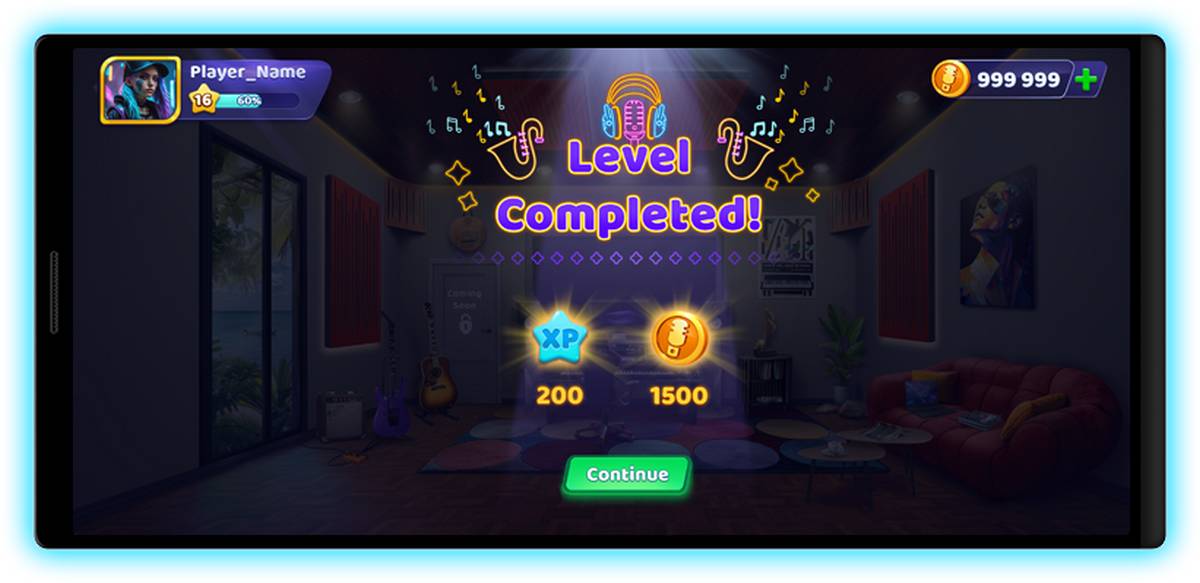
Nasty Rodent Studio — A multi-year co-development partnership covering mobile and web gaming projects across software development and technical support. The collaboration spans multiple titles and ongoing requests, with the Nasty Rodent team specifically highlighting the speed and quality of delivery and the active involvement of Galaxy4Games leadership in finding the best solutions for each challenge. Read the review on GoodFirms →
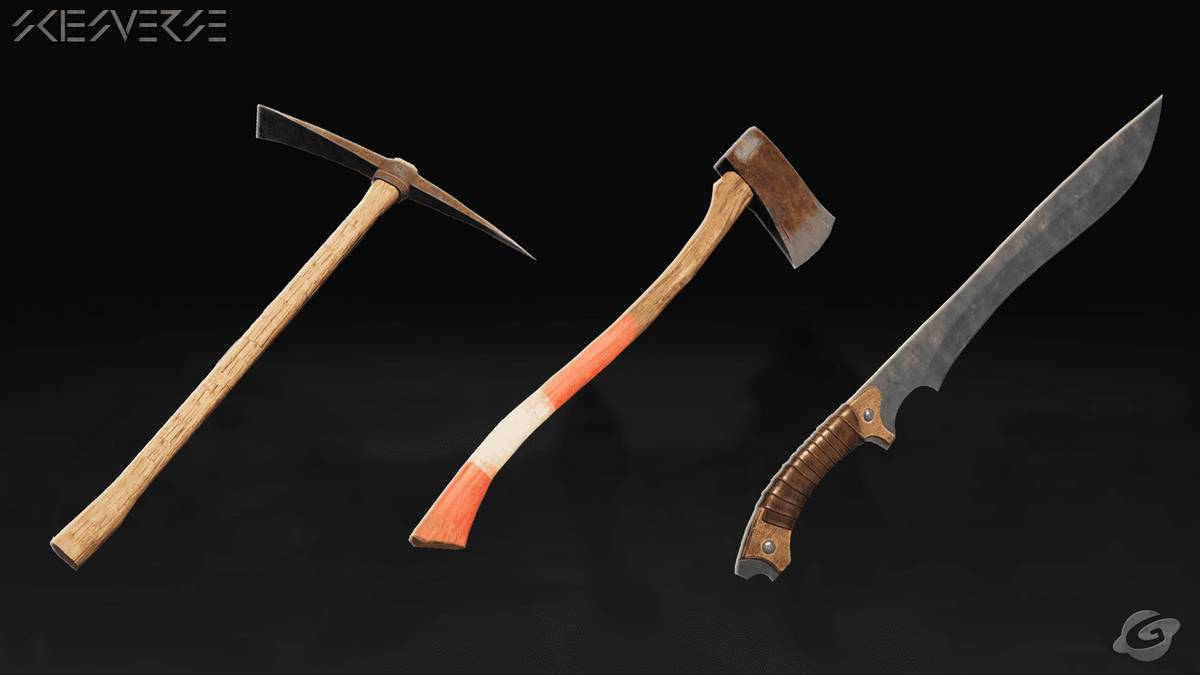
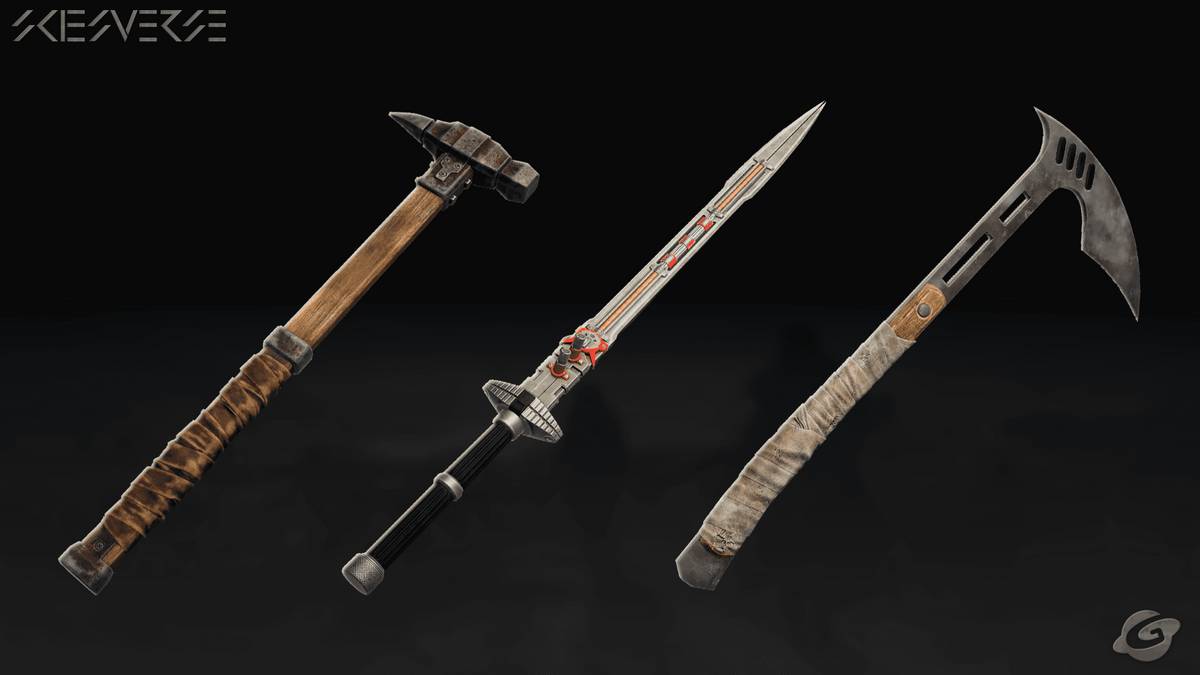
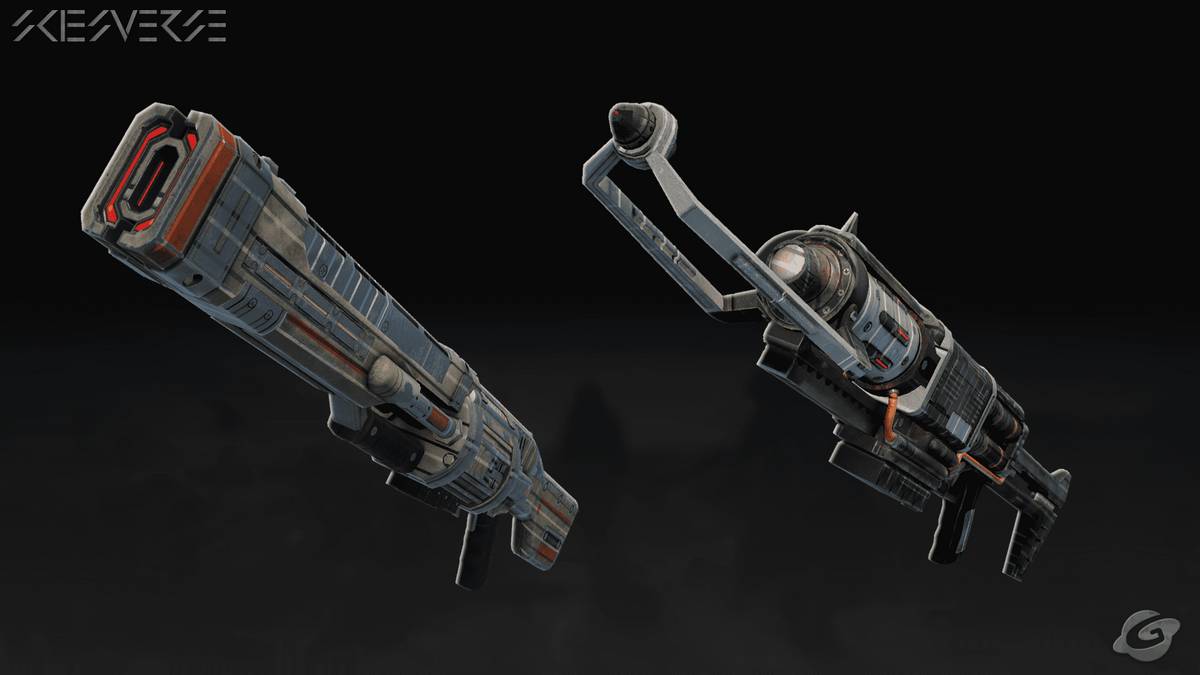
Mech.com — Production of a full suite of 3D game assets for an upcoming project, delivered on time with consistent communication throughout. The Mech.com team noted that the assets not only met their visual standards but performed seamlessly within the game engine — and confirmed plans to continue the partnership on future projects. Read the review on GoodFirms →
Technologies & Tools We Use
Our teams adapt to your tools—or help you refine them. We integrate directly into your existing pipeline and tech stack, commonly working with:
Game Engines
|
Platforms
|
Tools
|
Effective collaboration at every stage
Smooth communication, on-going collaboration, transparency are everything for making the great product.
Feedback as a Core Part of Co-DevelopmentFeedback is not an afterthought—it’s the engine of co-development. We establish:
This ensures alignment between creative vision and execution while avoiding costly late-stage corrections. |
Handling Changes, Updates, and Scope EvolutionGames evolve—and your partner should evolve with you. Our teams are built to handle:
Through agile production, transparent communication, and buffer planning, we adapt without derailing timelines. |
New to co-development? Start with what game co-development means and how it works, or browse our list of game development companies for hire.