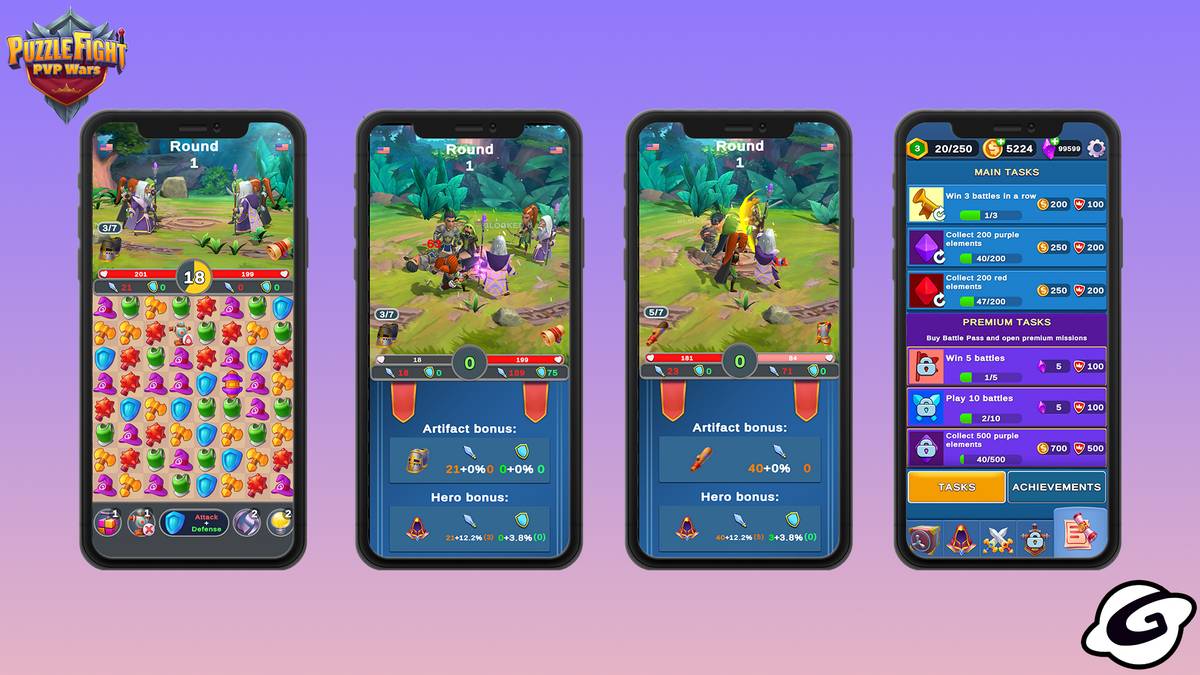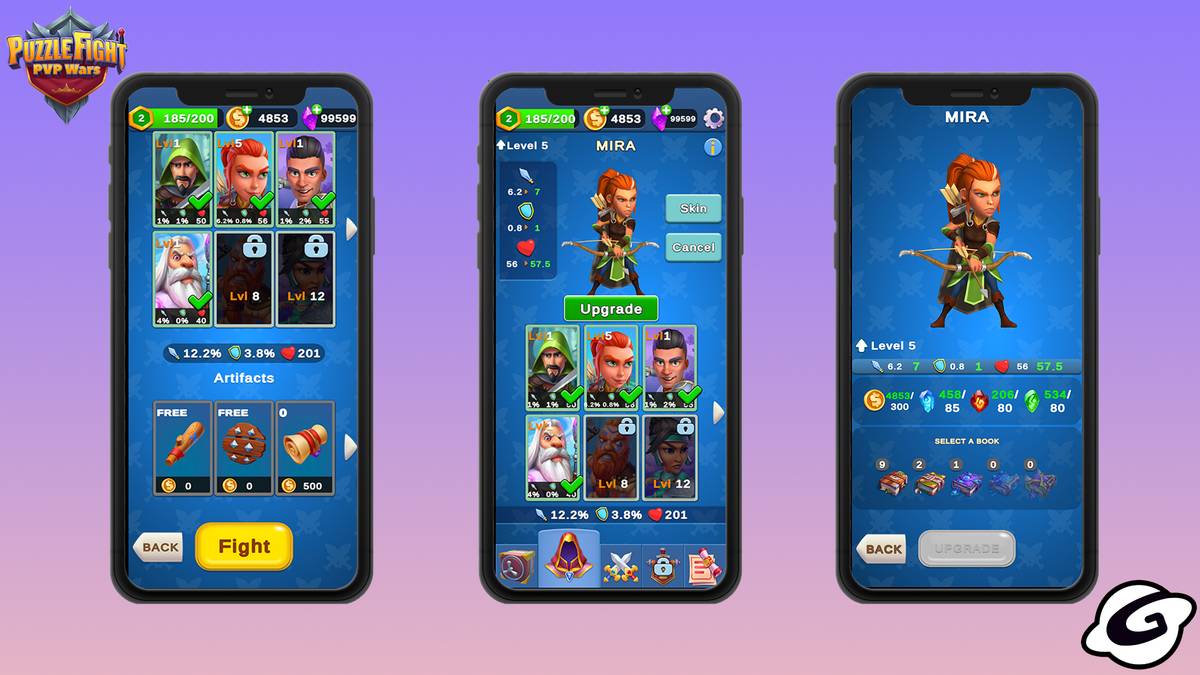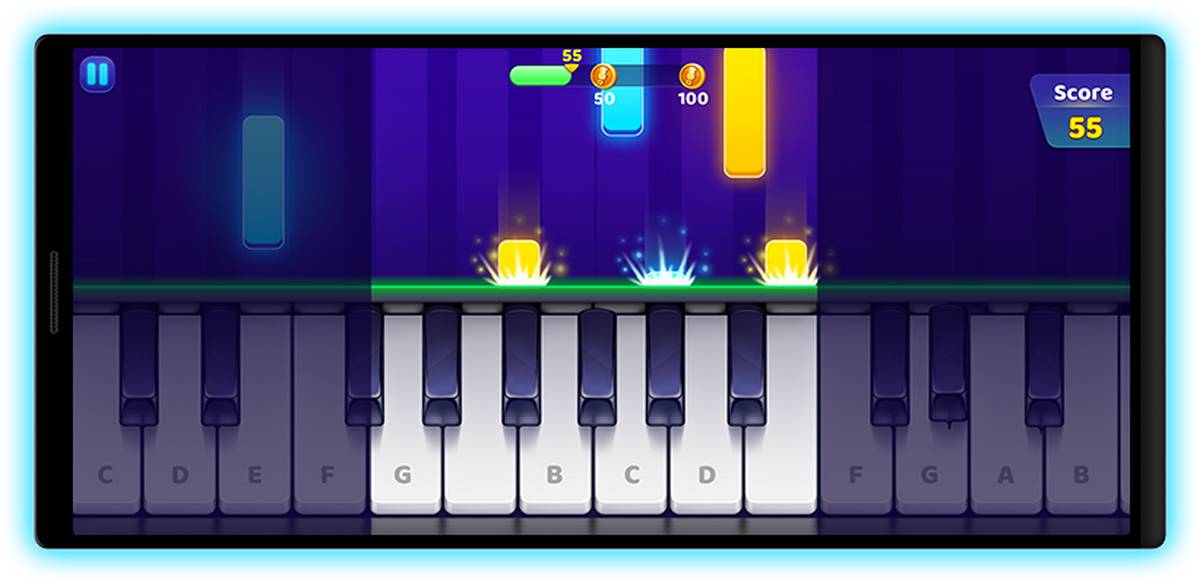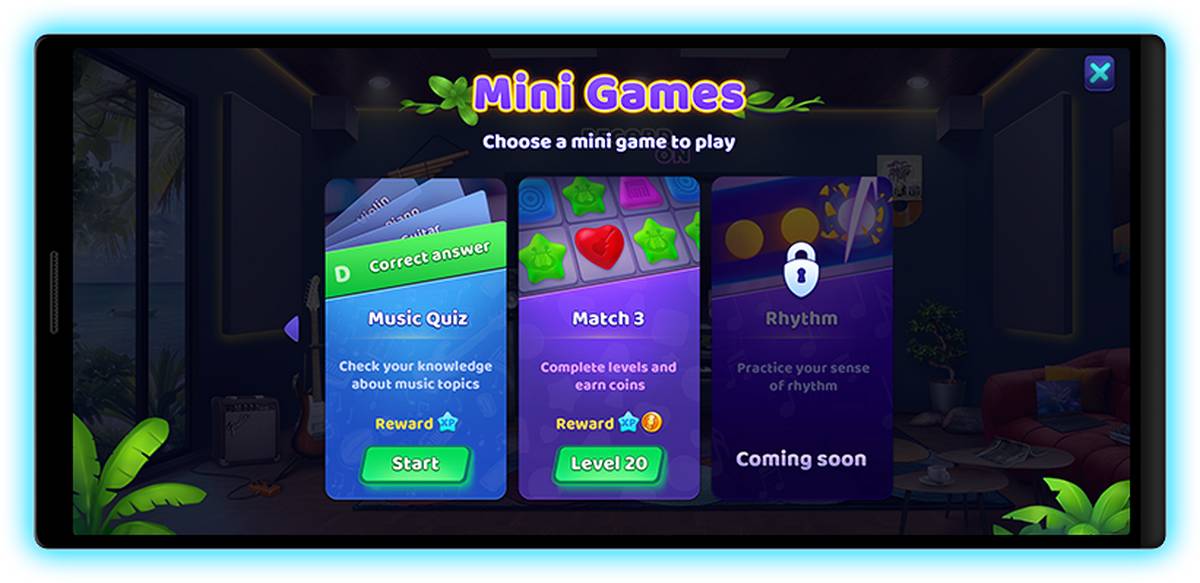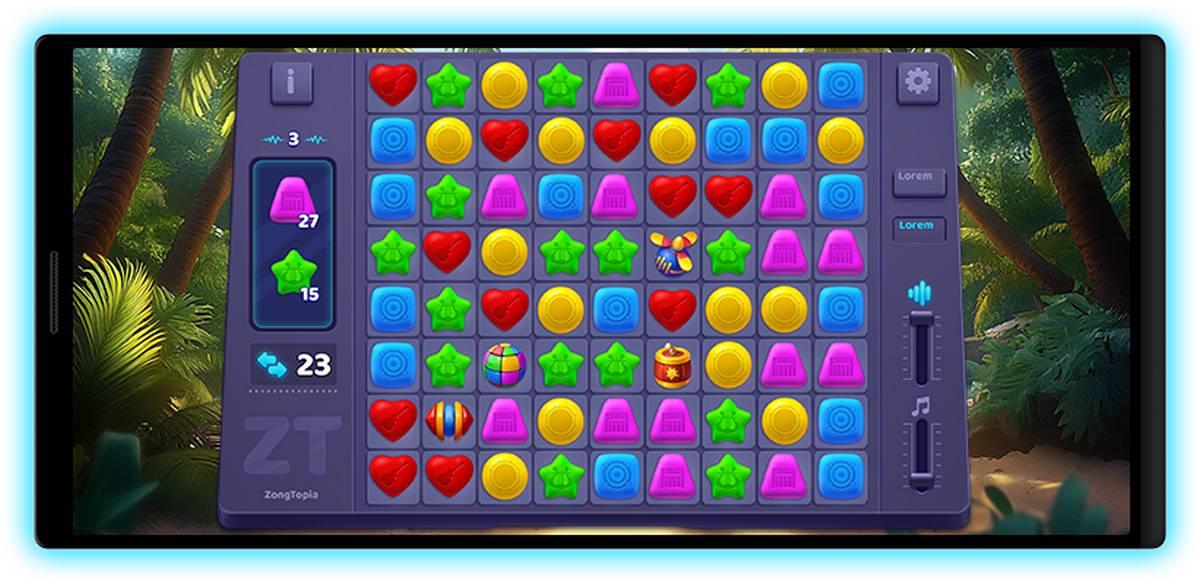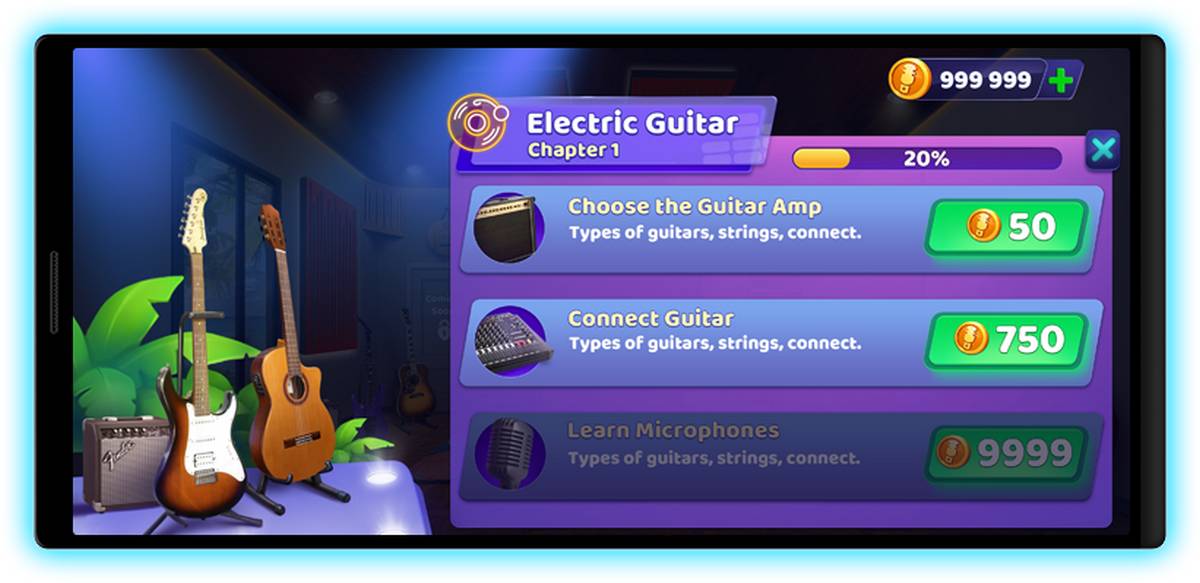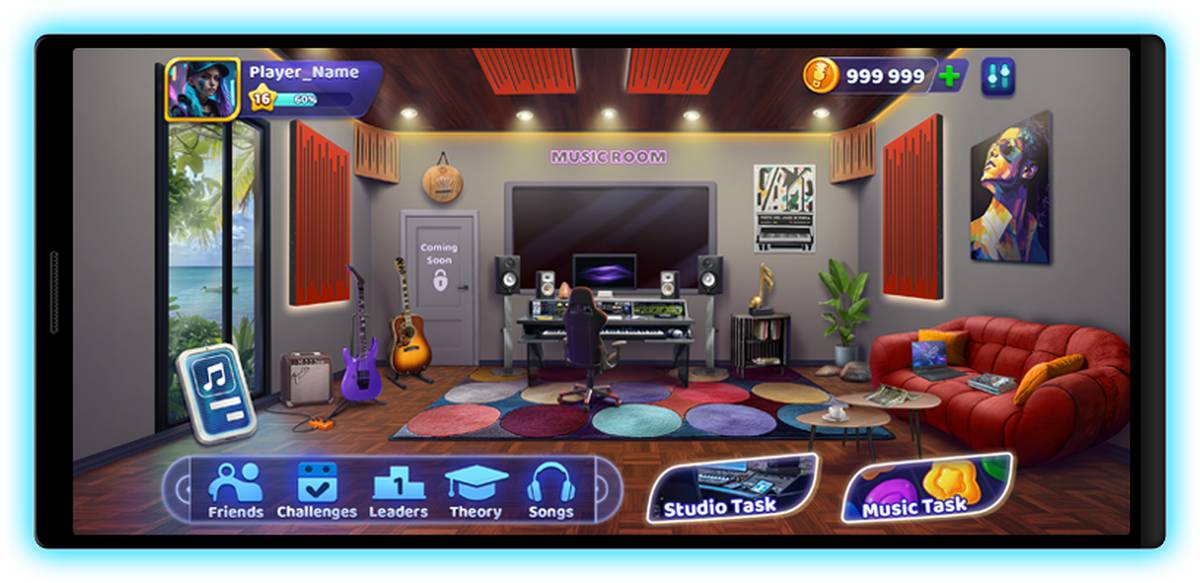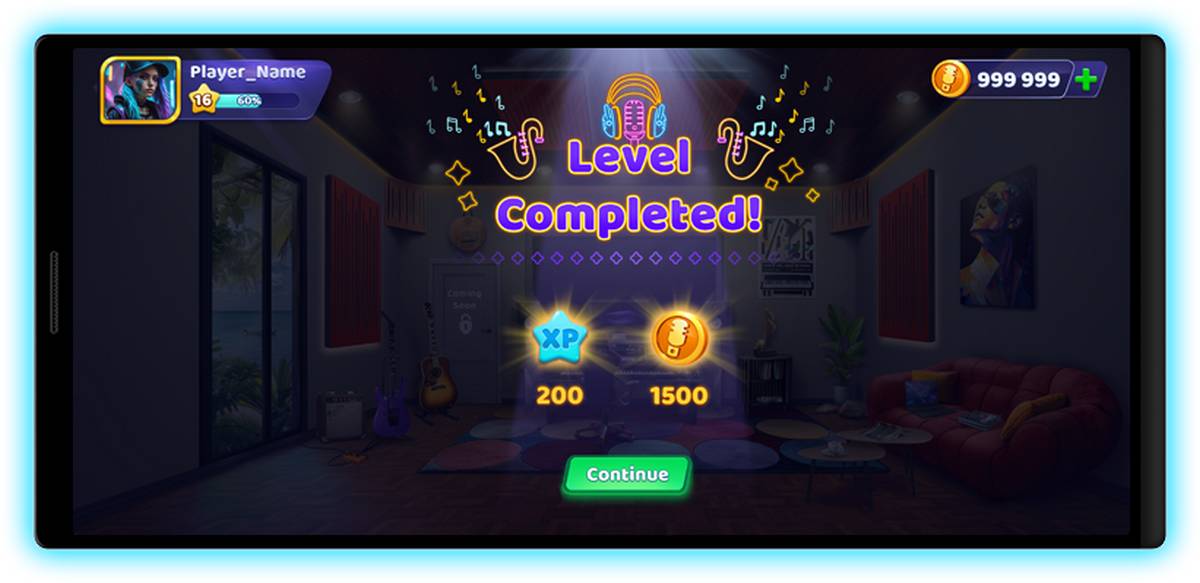




Galaxy4Games designs and builds custom gamification systems for businesses that need more than off-the-shelf badges and leaderboards. Whether you are looking to develop a gamified learning platform, improve employee performance metrics through training, build a loyalty program that actually retains customers, or gamify your app, customer service, or feedback flows, we deliver the full product: strategy, design, development, and LiveOps.
Brand gamification is the umbrella. Underneath it sits every use case where game mechanics drive measurable business outcomes: higher training completion, longer session times, stronger loyalty, better feedback response rates, and lower churns.
What you get with Galaxy4Games: A dedicated development partner with 15+ years of game production experience, modular architecture that cuts delivery time, and a full-cycle process from concept to launch and beyond.
What Custom Gamification Solutions Actually Involve
Galaxy4Games has an experience in both: integrating a gamification feature to an existing product/app and creating a standalone gamified product. We design the mechanics around the outcome you need to move.The core mechanics we design and develop include but are not limited to:
-
Points, levels, and progression systems tied to real user behaviors
-
Badges and achievement frameworks that reinforce desired actions
-
Leaderboards and social challenges to drive healthy competition
-
Reward and redemption flows for loyalty and retention programs
-
Personalized learning paths for training and skills development
-
Feedback loops and quest systems for onboarding and engagement
-
Analytics dashboards to track KPIs: completion rates, DAU/MAU, retention curves, and conversion lift
Every system is built around your objectives, not a generic feature set.
Gamified Learning Platforms and Employee Training Solutions
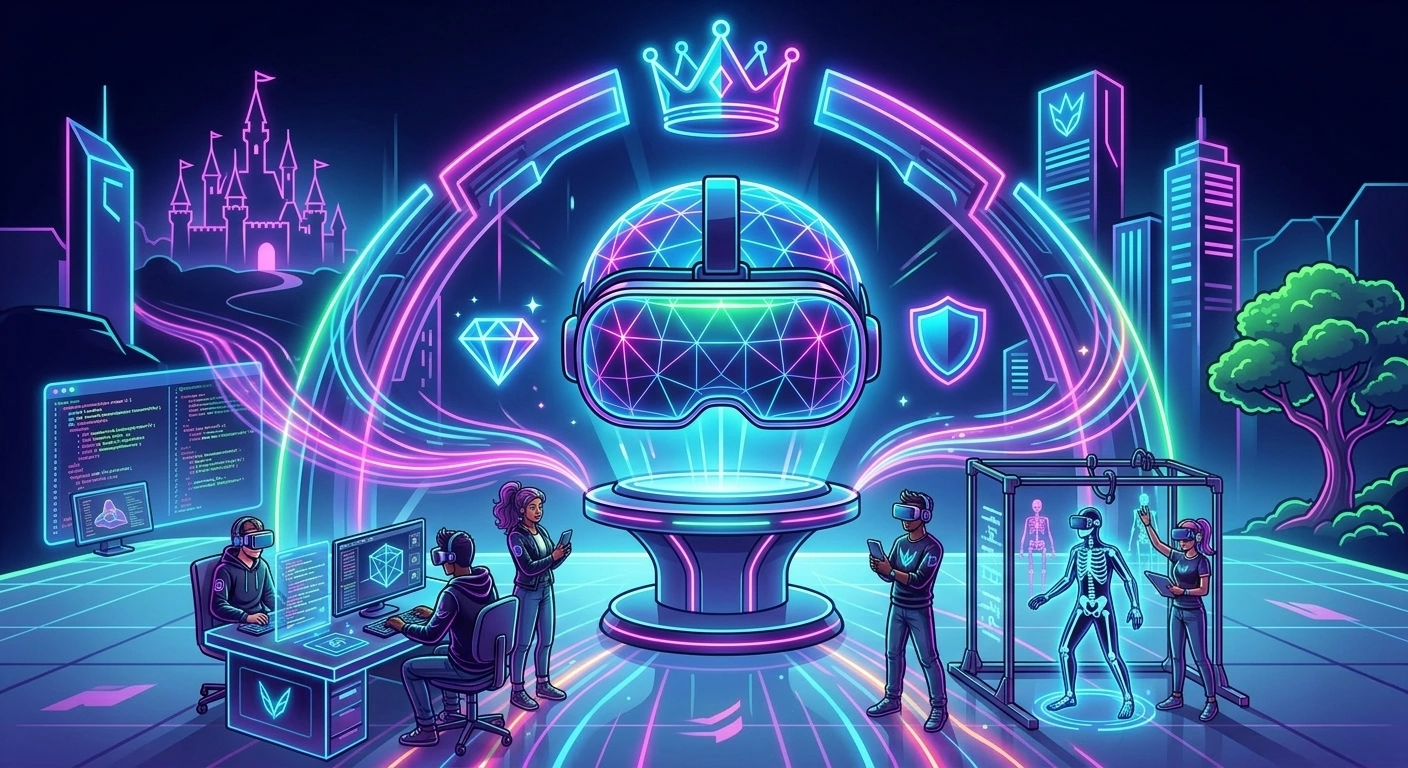
Gamified training is one of the highest-ROI applications of game mechanics in business. The evidence is consistent: according to TalentLMS's Gamification at Work survey, 83% of employees who receive gamified training feel motivated, compared to just 28% in non-gamified environments. Boredom drops from 49% to 10% when game elements are introduced. These are not marginal gains; they represent a fundamental shift in how people engage with learning content.
89% of employees say they would be more productive if their work were more gamified. For L&D leaders and HR teams, that signal is hard to ignore.
How Gamified Training Improves Employee Performance Metrics
Gamification improves training outcomes by addressing the root cause of low completion rates: disengagement. When training is structured as a progression system with clear goals, visible progress, rewards for mastery, and social accountability, learners stay in it longer and retain more.
The metrics that move with well-designed gamified training include:
|
Metric |
What Gamification Addresses |
|---|---|
|
Completion rate |
Progress visibility and milestone rewards keep learners moving forward |
|
Knowledge retention |
Spaced repetition, mini-games, and scenario challenges reinforce learning |
|
Time-to-competency |
Personalized paths eliminate irrelevant content and accelerate skill acquisition |
|
Employee satisfaction |
Autonomy, mastery, and purpose mechanics increase intrinsic motivation |
|
Retention and tenure |
Employees who feel invested in their growth stay longer |
Custom Gamified Training for Technical Skills Development
Technical skills training presents a specific challenge: the content is complex, the stakes are high, and traditional e-learning formats fail to hold attention. Gamified platforms solve this by turning technical mastery into a structured progression: learners advance through skill tiers, earn credentials for demonstrated competency, and compete on domain-specific leaderboards.
We build custom gamified training platforms for companies that need:
-
Role-specific learning paths with branching scenarios
-
Simulation-based challenges that mirror real work environments
-
Competency badges tied to verifiable skill milestones
-
Manager dashboards showing individual and team progress
-
Integration with existing HR and LMS systems
If you are looking to implement gamified training and are not sure where to start, the answer is straightforward: begin with the behavior you want to change, identify the friction points in your current training flow, and design the game mechanics around removing that friction. We run discovery workshops with every client before a single line of code is written.
Gamification for Brand Loyalty Programs and Employee Retention

Loyalty programs built on game mechanics outperform traditional points-and-discounts models because they create behavioral investment, not just transactional incentives. When customers or employees earn status, unlock tiers, and build progress they do not want to lose, they stay.
The business case is well-established. Bain and Company's research shows that a 5% increase in customer retention can increase profits by 25% to 95%. Tiered loyalty programs deliver 15% to 45% retention improvements depending on design and industry, and customers enrolled in tiered programs spend 20% to 40% more than non-members.
The real question is not whether loyalty gamification works. It is whether your current program is designed well enough to capture those gains.
What a Gamified Loyalty Program Looks Like in Practice
A well-designed gamified loyalty system goes beyond a points counter. It creates a narrative around the customer relationship: progression, identity, exclusivity, and reward. The mechanics we build for loyalty programs include:
-
Tiered status systems with visible perks that increase with engagement
-
Streak and habit mechanics that reward consistent behavior over time
-
Surprise and delight rewards triggered by behavioral milestones
-
Referral and community challenges that turn loyal customers into advocates
-
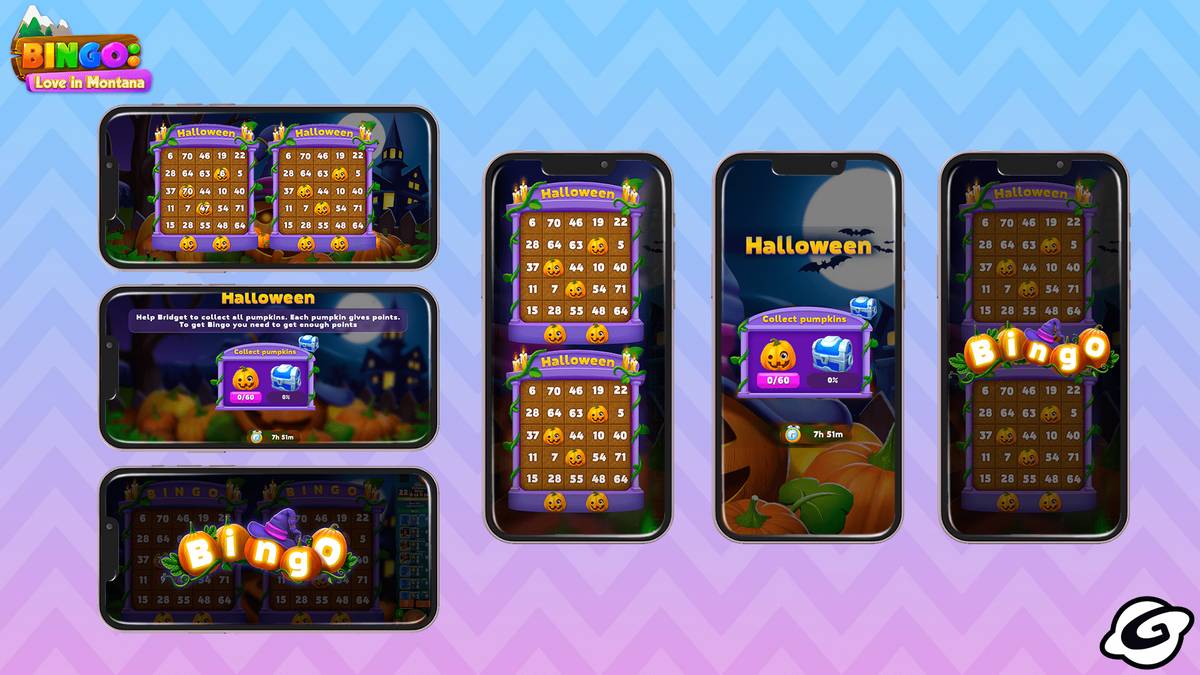
Seasonal events and limited-time quests to re-engage lapsed users
Gamified Training as an Employee Retention Tool
The same mechanics that keep customers coming back apply directly to employee retention. When employees have clear progression paths, visible skill development, and recognition tied to achievement, they are less likely to leave. Gamified onboarding shortens time-to-confidence for new hires. Ongoing gamified development signals that the company invests in growth, which is one of the strongest predictors of long-term tenure.
We design retention-focused gamification systems for HR and employee experience teams that want measurable improvements in satisfaction scores, internal mobility, and voluntary turnover rates.
Customer Service and Feedback Gamification
Two of the most underutilized applications of gamification in business are customer service and customer feedback. Both suffer from the same problem: low intrinsic motivation. Service agents face repetitive, high-pressure workflows. Customers are asked to give feedback with no meaningful reason to do so. Game mechanics fix both.
Gamifying Your Customer Service Experience
For customer-facing service teams, gamification shifts the dynamic from compliance to competition. When agents have visible performance scores, achievement badges for resolution quality, team leaderboards, and streak rewards for consistency, service quality improves because agents are engaged rather than just monitored.
The specific outcomes we design for include:
-
Faster average handle time through challenge-based performance goals
-
Higher first-contact resolution rates tied to skill progression rewards
-
Reduced agent burnout through autonomy mechanics and recognition systems
-
Improved CSAT and NPS scores as a downstream effect of better agent engagement
This is not about gamifying customer interactions in a way that feels gimmicky. It is about designing the internal work environment so that the people delivering service are motivated, recognized, and growing.
Gamifying Customer Feedback Systems
Getting customers to provide useful feedback is one of the hardest problems in CX. Response rates for standard surveys are low, and the data that comes back is often shallow. Gamified feedback systems change the incentive structure: customers earn points, unlock rewards, or progress through a recognition tier by completing feedback tasks.
We build gamified feedback flows that include:
-
Micro-feedback mechanics integrated into the product or service journey
-
Reward triggers that activate on feedback submission
-
Progress indicators that show customers how their input shapes the experience
-
Community recognition for high-quality, repeat contributors
The result is richer data, higher response volume, and customers who feel like participants rather than subjects of a survey.
App Gamification: Hiring a Company to Gamify Your Product
If you are looking to hire a company to gamify your mobile or web app, the most important thing to understand upfront is that effective app gamification is a product design challenge, not a feature bolt-on. Adding a points counter to an existing app rarely moves the needle. What works is rethinking the core user journey through a game design lens: where does motivation drop off, what behaviors do you want to reinforce, and what mechanics will make users feel rewarded for the actions that matter to your business.
App gamification done well increases session length, daily active users, and long-term retention. TalentLMS datashows 89% of users would spend more time on a software product because of gamification elements. That applies equally to consumer apps, B2B tools, fintech platforms, health apps, and e-learning products.
What We Build for App Gamification Projects
Our app gamification services include:
-
Onboarding quest systems that guide new users to their first value moment
-
Daily challenge and streak mechanics that build habitual use
-
Achievement and badge systems tied to product-specific milestones
-
Social and competitive layers including leaderboards and co-op challenges
-
Reward economies that balance intrinsic and extrinsic motivation
-
Analytics integration to measure engagement impact per mechanic
We build for mobile (iOS and Android), web, and cross-platform environments. Our modular development system means we can reuse tested components across projects, reducing cost and time to launch without compromising quality.
How We Design and Build Custom Gamification Systems
Every gamification project at Galaxy4Games follows the same full-cycle process, regardless of use case. This is what separates a partner from a vendor: we stay accountable from the first strategy session through post-launch optimization.
Our Full-Cycle Gamification Process
1. Discovery and Strategy We start by mapping your business objectives to specific user behaviors. What do you need users to do more of, and why are they not doing it now? This session defines the mechanics, success metrics, and scope before any design work begins.
2. Game Design and UX Our designers wireframe the player journey: progression systems, reward flows, UI elements (badges, progress bars, leaderboards), and the feedback loops that keep users engaged. Every design decision is tied to a measurable outcome.
3. Development and Integration We build the gamification system on your platform or as a standalone product. For businesses with existing apps or LMS infrastructure, we handle the integration layer. For greenfield projects, we build the full stack.
4. QA and Launch Rigorous cross-platform testing before go-live. We validate that every mechanic behaves as intended and that the analytics pipeline is capturing the data you need to measure impact.
5. LiveOps and Optimization Post-launch, we monitor KPIs, run A/B tests on mechanics, introduce seasonal events to re-engage users, and iterate based on real behavioral data. Gamification systems are not set-and-forget; they need ongoing tuning to stay effective.
Typical delivery timeline: 3 to 6 months from discovery to soft launch, depending on scope. Our modular architecture means we can move faster than a custom-from-scratch build without sacrificing quality.