





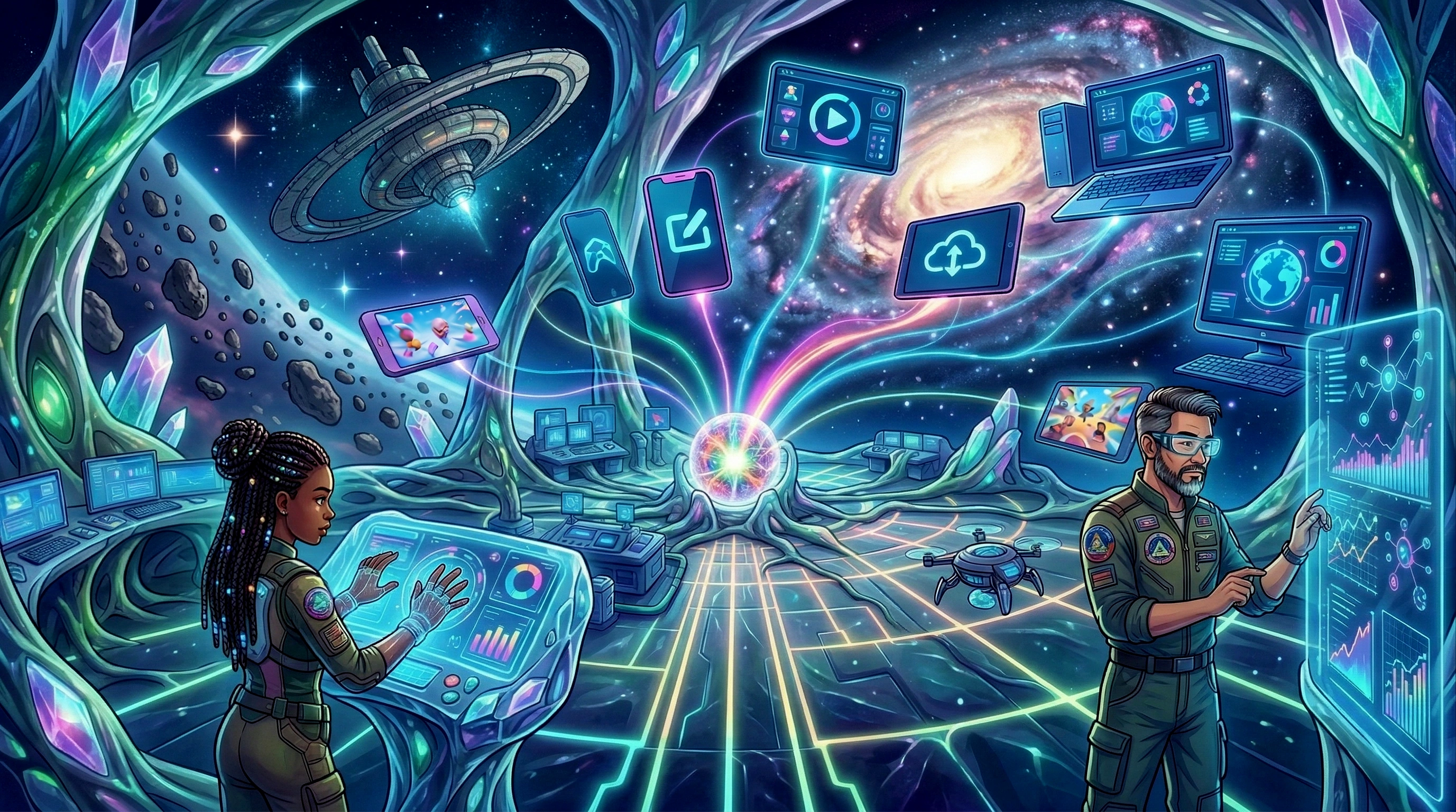
What Are the Latest Trends in LiveOps for Game Development in 2026?
LiveOps game development (Live Operations) has become the backbone of modern game development. In 2026, games are no longer static products, they are evolving platforms driven by continuous updates, real-time optimization, and data-informed decision making.
As competition intensifies across mobile and PC gaming, LiveOps is no longer limited to events and content drops. It now encompasses infrastructure, personalization, monetization systems, and modular architectures that allow teams to iterate at scale.
This article explores the most important LiveOps trends shaping the industry in 2026, how they impact retention and revenue, and what companies should prioritize when building LiveOps-driven products.
The Evolution of LiveOps
LiveOps has shifted from basic post-launch support to a core product strategy.
In earlier stages, LiveOps focused on:
-
Adding new levels
-
Running seasonal events
-
Fixing bugs and balancing gameplay
Today, it includes:
-
Predictive analytics
-
Real-time optimization
-
Automated systems
-
Personalized player experiences
Modern LiveOps transforms games into continuous services where improvement never stops.
Key LiveOps Trends in 2026
1. AI-Driven LiveOps Optimization
Artificial intelligence is redefining how LiveOps decisions are made.
Instead of relying solely on manual analysis, AI systems now:
-
Predict player churn before it happens
-
Adjust difficulty dynamically per user
-
Optimize in-game offers in real time
-
Automate A/B testing at scale
For example, AI can detect when a player is likely to abandon the game and automatically trigger a reward or offer to retain them.
This significantly increases retention, engagement, and monetization efficiency.
2. Deep Player Personalization
Segmentation has evolved into real-time personalization.
Modern LiveOps systems adapt the experience based on player behavior, including:
-
Personalized offers and bundles
-
Dynamic difficulty curves
-
Custom event participation
-
Tailored progression systems
Each player interacts with a slightly different version of the game, maximizing engagement and conversion.
3. Modular LiveOps Systems and Standardization
One of the most important shifts in 2026 is the adoption of modular architecture.
Modular LiveOps systems allow teams to:
-
Reuse systems across multiple games
-
Standardize tools and processes
-
Accelerate production cycles
-
Reduce development costs
Key benefits include:
-
Standardization across multiple products, simplifying updates and optimization
-
Faster support and maintenance across multiple titles
-
Battle-tested systems already validated in live environments
-
Reduced development time, costs, and risk
-
More efficient LiveOps execution with reusable components
This is especially critical for studios managing multiple games simultaneously.
4. Real-Time Configuration and Remote Control Systems
Modern games are controlled through remote configuration systems.
This allows teams to:
-
Adjust gameplay without requiring updates
-
Launch events instantly
-
Modify rewards and monetization in real time
Real-time control enables rapid experimentation and faster response to player behavior.
5. Event Automation and Scalable LiveOps Pipelines
Manual event creation is no longer sustainable.
Studios now rely on automated pipelines that enable:
-
Reusable event templates
-
Scheduled content releases
-
Scalable event deployment
For example, a seasonal event can be reused across multiple cycles with minimal adjustments, reducing workload while maintaining consistency.
6. Data-Driven Monetization Systems
Monetization has become increasingly dynamic and personalized.
LiveOps teams use data to:
-
Adjust pricing in real time
-
Launch targeted offers
-
Optimize conversion funnels
Examples include:
-
Limited-time bundles triggered by player behavior
-
Discounts based on spending patterns
-
Personalized reward systems
These strategies significantly increase revenue without negatively impacting player experience.
7. Cross-Platform LiveOps Integration
Games are no longer limited to a single platform.
Modern LiveOps systems support:
-
Synchronization across mobile and PC
-
Unified player accounts
-
Shared progression systems
This ensures a seamless experience regardless of device.
8. Scalable Live-Service Infrastructure
Infrastructure is a critical component of LiveOps.
Modern systems rely on:
-
Cloud-based architectures
-
Scalable databases
-
Real-time APIs
Without strong infrastructure, LiveOps systems cannot support large player bases or real-time updates.
How These Trends Impact Game Performance
The adoption of advanced LiveOps strategies directly affects:
-
Player retention
-
Engagement frequency
-
Conversion rates
-
Lifetime value (LTV)
Games that implement these systems consistently outperform static products in both revenue and long-term growth.
How to Build a Modern LiveOps Strategy
1. Build Scalable Architecture from the Start
LiveOps should be part of the foundation, not an afterthought.
2. Integrate Data and Analytics Early
Track player behavior from day one to enable optimization.
3. Design for Continuous Iteration
Games must evolve constantly based on player feedback and data.
4. Implement Modular Systems
Reusable systems improve efficiency and scalability.
5. Focus on Player Experience
Optimization should enhance the experience, not create frustration.
Challenges in Modern LiveOps
-
Managing increasing system complexity
-
Balancing monetization with player satisfaction
-
Scaling infrastructure globally
-
Preventing content fatigue
Successful teams combine technology, design, and analytics to overcome these challenges.
Final Thoughts
LiveOps in 2026 is no longer optional, it is the foundation of successful game development. The latest trends show a clear shift toward AI-driven systems, modular architecture, and scalable infrastructure.
At Galaxy4Games, we design LiveOps systems that combine modular architecture, data-driven optimization, and scalable production pipelines. This allows games to grow continuously, adapt to player behavior, and maximize long-term performance.
Want to see these principles in action? Read our guide on how to optimize LiveOps events for better ROI.