





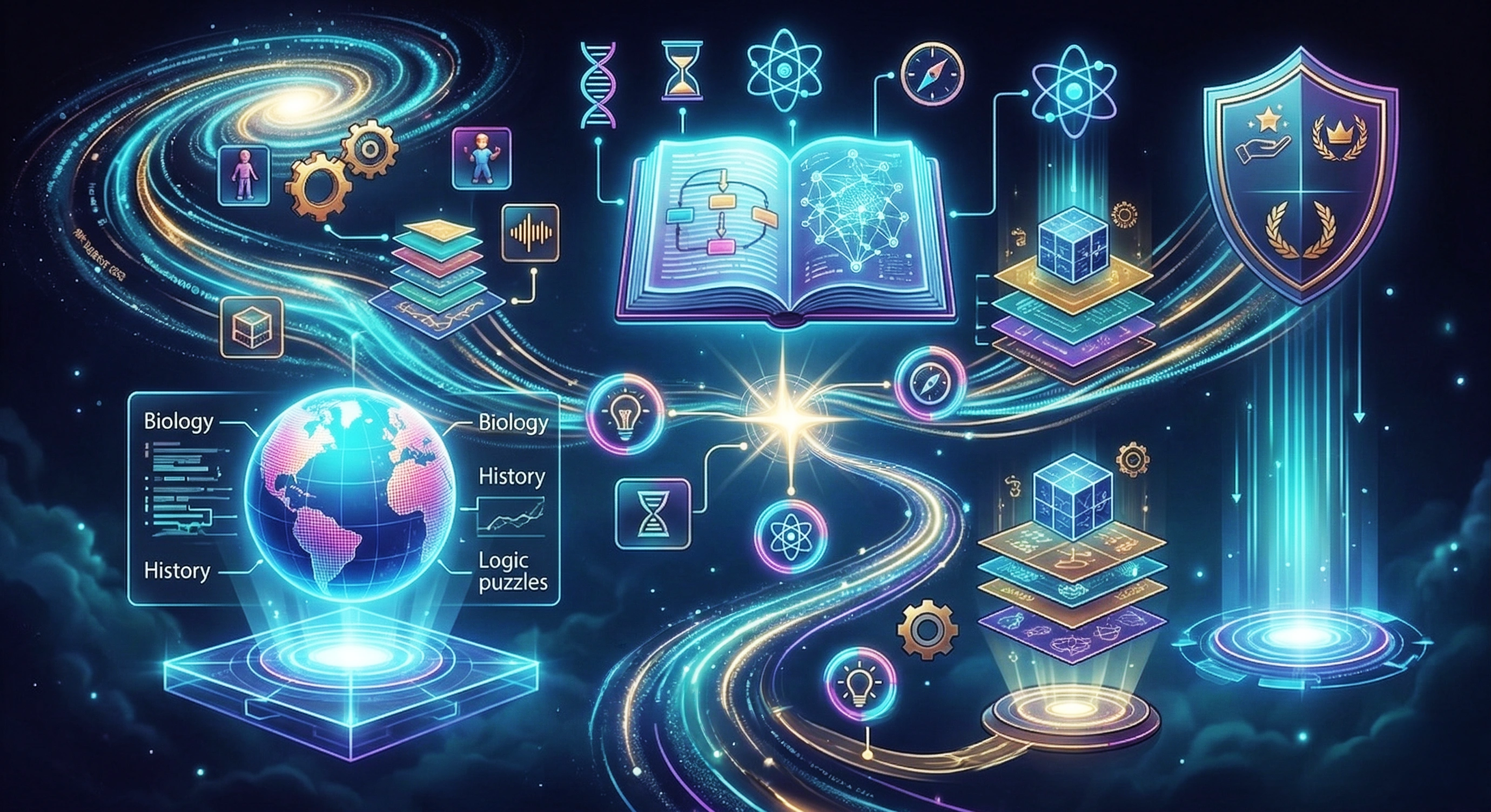
What Is Educational Game Development? Complete Guide for Companies
Educational game development is the process of designing and building interactive games specifically created to teach skills, knowledge, or behaviors through gameplay. Unlike traditional educational content, these games use mechanics such as progression systems, rewards, challenges, and interactive storytelling to make learning more engaging and effective.
In 2026, companies across education, corporate training, healthcare, and professional development are increasingly investing in educational games to improve learning outcomes and increase user engagement. This guide explains how educational game development works, why it is growing rapidly, and what organizations should consider when building their own learning games.
Why Educational Games Are Becoming Essential
Traditional digital learning tools often struggle to maintain attention and long-term engagement. Educational games address this challenge by transforming learning into an interactive experience. According to eLearning Industry, gamified learning can increase engagement rates by up to 60% compared to traditional formats. Well-designed educational games can:
- Increase learner engagement
- Improve knowledge retention
- Encourage repeated interaction
- Provide measurable learning analytics
- Personalize learning experiences
Because of these advantages, gamified learning platforms are increasingly used in schools, universities, corporate training programs, and language learning applications. See our overview of educational games and gamification for a deeper look at how play and pedagogy intersect.
Key Components of Educational Game Development
Successful educational game developers combine several disciplines including game design, pedagogy, technology, and analytics.
1. Learning Design and Pedagogy
Educational games must start with clearly defined learning objectives. Instructional designers work with game designers to translate educational goals into interactive mechanics. Examples include:
- Problem-solving challenges
- Skill-based progression systems
- Interactive quizzes
- Scenario simulations
The goal is to ensure that gameplay reinforces learning outcomes rather than distracting from them.
2. Game Mechanics That Support Learning
Game mechanics are essential for maintaining engagement. Educational games typically include systems such as:
- Progression levels
- Achievements and rewards
- Challenges and missions
- Adaptive difficulty
- Feedback loops
These mechanics motivate users to continue learning while tracking their progress.
3. Scalable Technology Infrastructure
Modern educational games require reliable backend systems that support large numbers of users, track progress, and deliver updates. Common technical components include:
- Cloud-based backend architecture
- Player progress tracking
- Data analytics dashboards
- Cross-platform compatibility
Scalable infrastructure ensures that educational platforms can grow without technical limitations. Leading game engines like Unity and Unreal Engine provide powerful foundations for building cross-platform educational games.
4. Gamification Systems
Gamification is a key part of educational game development. It applies game elements to learning environments to increase motivation. Typical gamification features include:
- Leaderboards
- Points systems
- Daily challenges
- Streak rewards
- Learning milestones
When implemented correctly, gamification can significantly increase learning participation.
Who Uses Educational Games?
Educational game development is not limited to schools. Many industries are adopting gamified learning solutions. Organizations using educational games include:
- Schools and universities
- Language learning platforms
- Corporate training departments
- Professional certification programs
- Healthcare training providers
These organizations benefit from higher engagement and measurable learning results. For a look at leading studios in this space, see our article on the best educational game development companies in 2026.
Benefits for Companies and Organizations
Companies investing in educational game development gain several advantages. First, gamified platforms significantly improve user engagement compared to static training materials. Second, educational games generate valuable learning analytics that allow organizations to track performance and improve content. Third, scalable platforms can evolve over time with new content, updates, and additional learning modules.
Challenges in Educational Game Development
Despite its advantages, developing effective educational games requires careful planning. Common challenges include:
- Balancing entertainment and learning objectives
- Designing content for different skill levels
- Maintaining engagement over time
- Measuring learning effectiveness
Studios that combine strong game design with instructional expertise are better positioned to overcome these challenges. Learn how game development outsourcing can help organizations access that combined expertise efficiently.
The Role of Modular Development in Educational Games
Modern educational platforms benefit from modular development architecture. Instead of building each learning experience from scratch, modular systems allow developers to reuse components across projects. Benefits include:
- Faster development cycles
- Reduced production costs
- Easier content updates
- Scalable LiveOps integration
This approach allows learning platforms to grow and evolve as new educational content is introduced. Learn more about building scalable game pipelines through modular design.
Final Thoughts
Educational game development is transforming how organizations deliver learning experiences. By combining engaging gameplay with structured learning systems and scalable technology, companies can create powerful tools that improve knowledge retention and user engagement.
At Galaxy4Games, we design educational games and gamified learning platforms built for scalability, engagement, and long-term growth. We understand how educational games are develped. If your organization is exploring interactive learning solutions, our team can help you design and produce a game platform tailored to your goals.