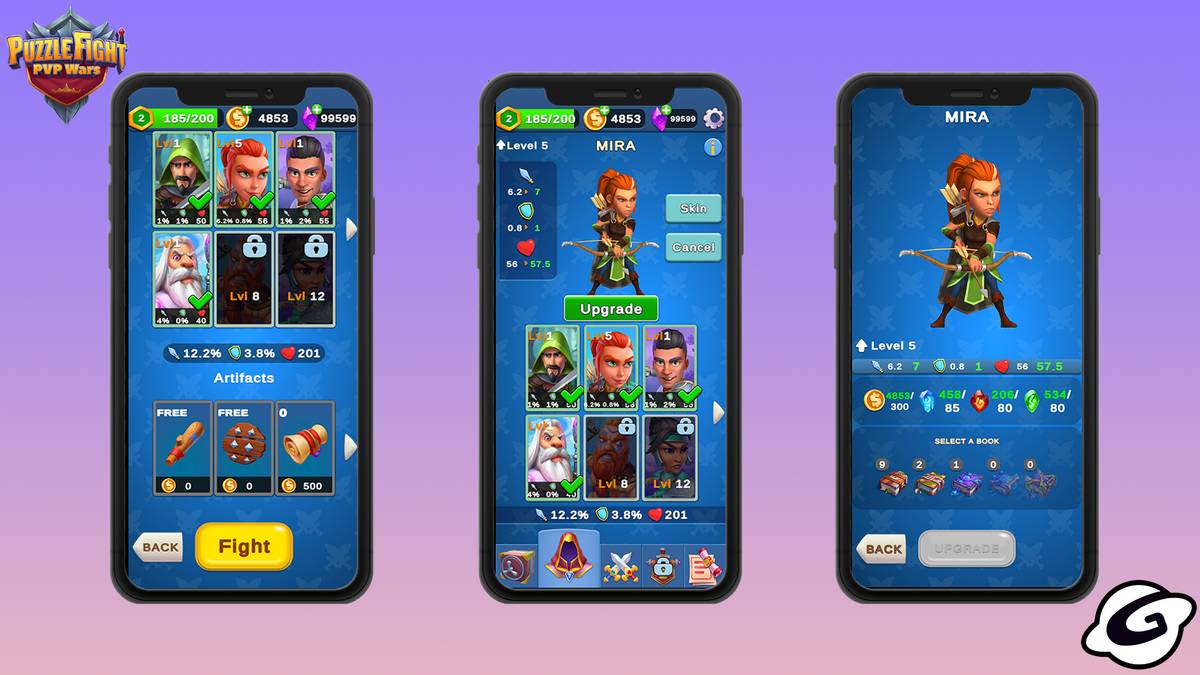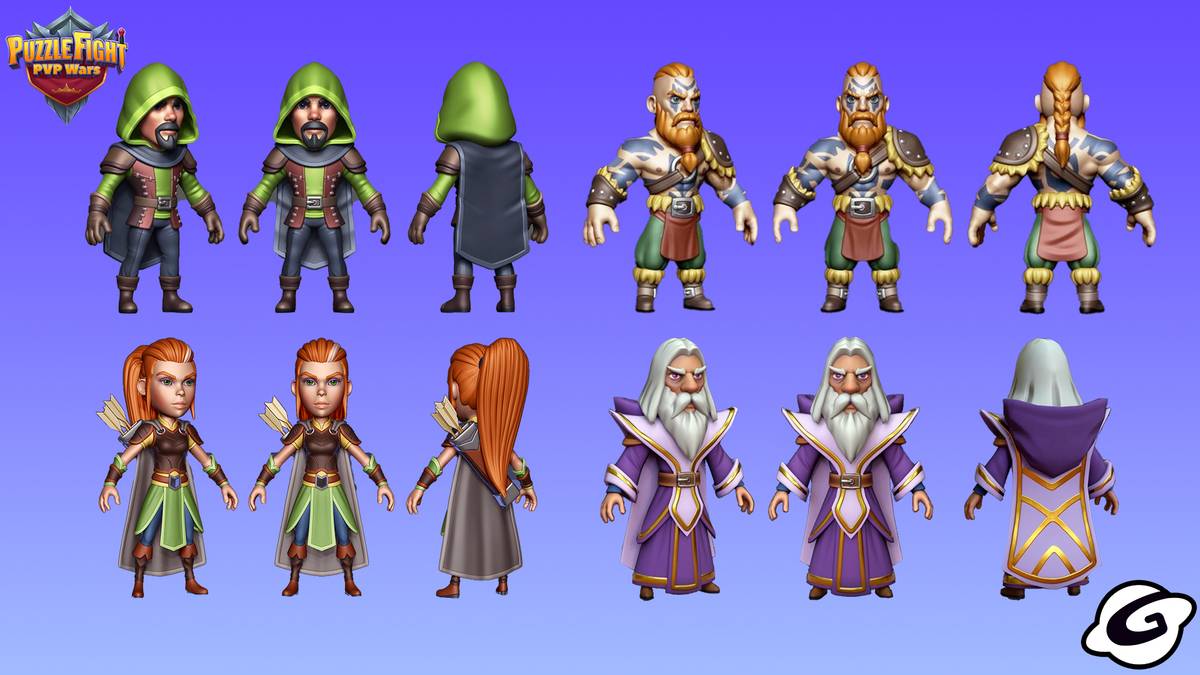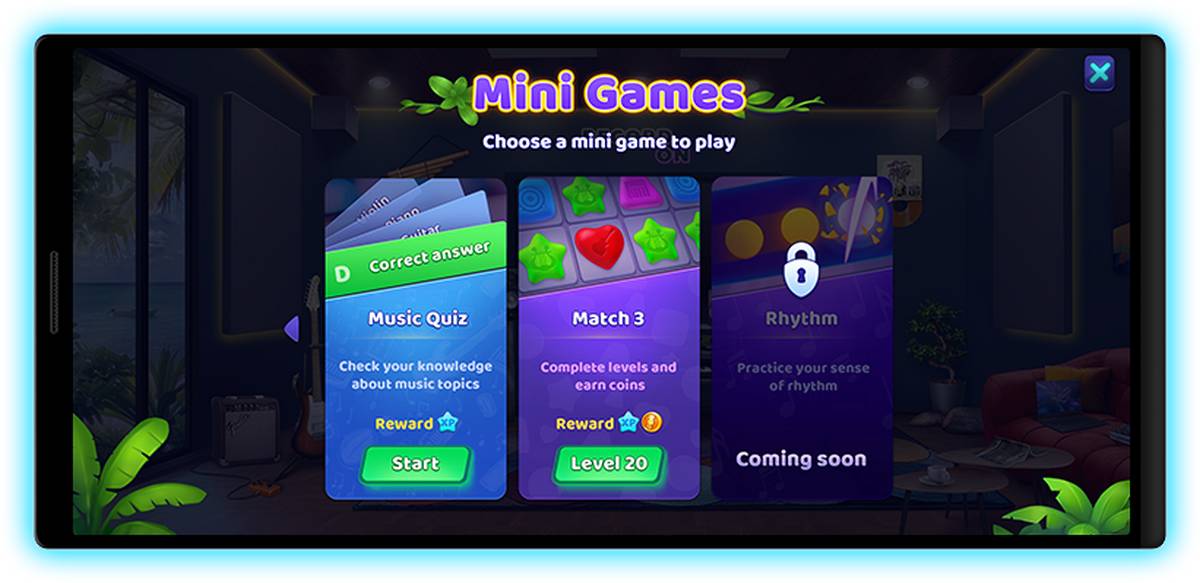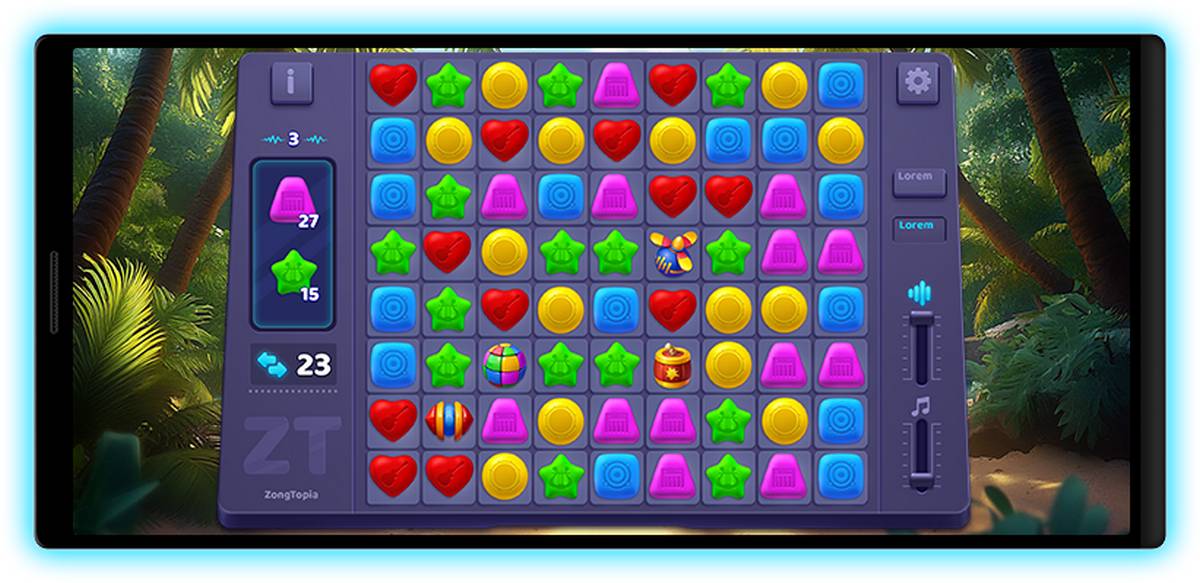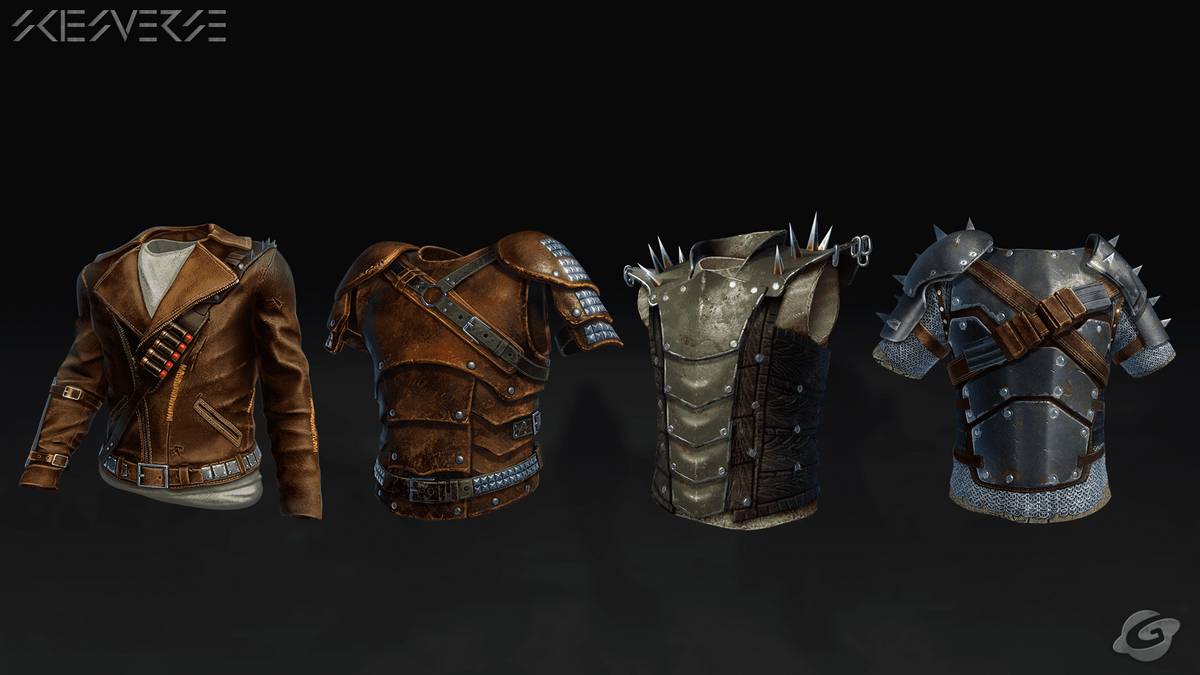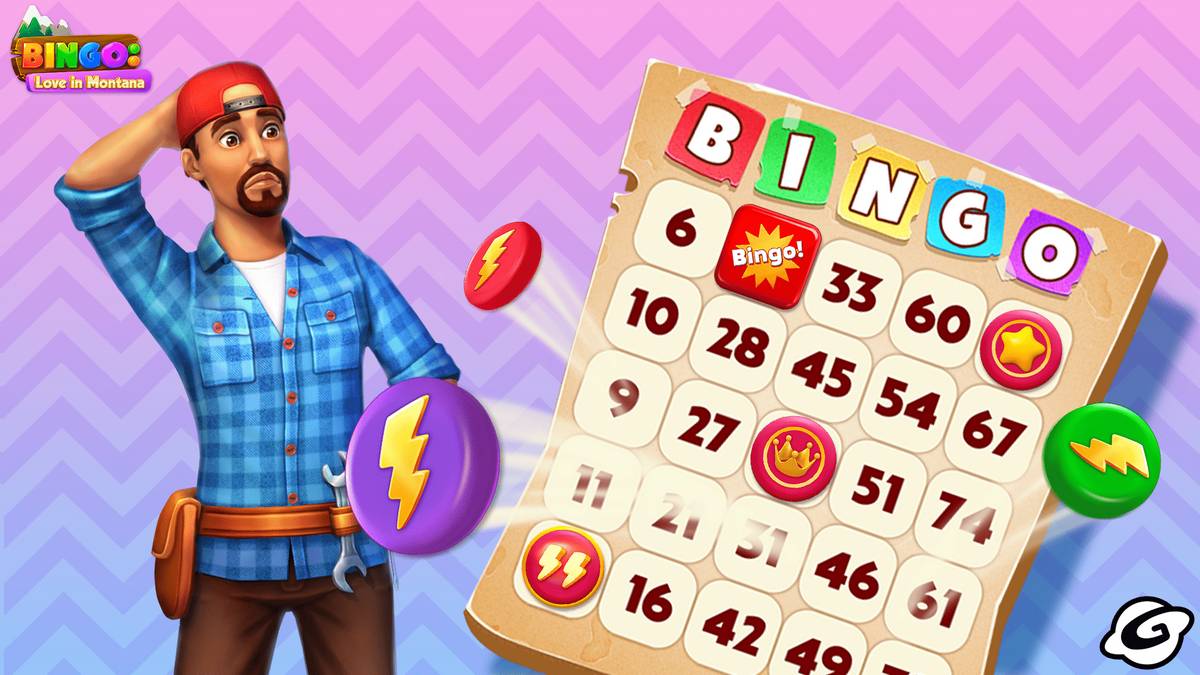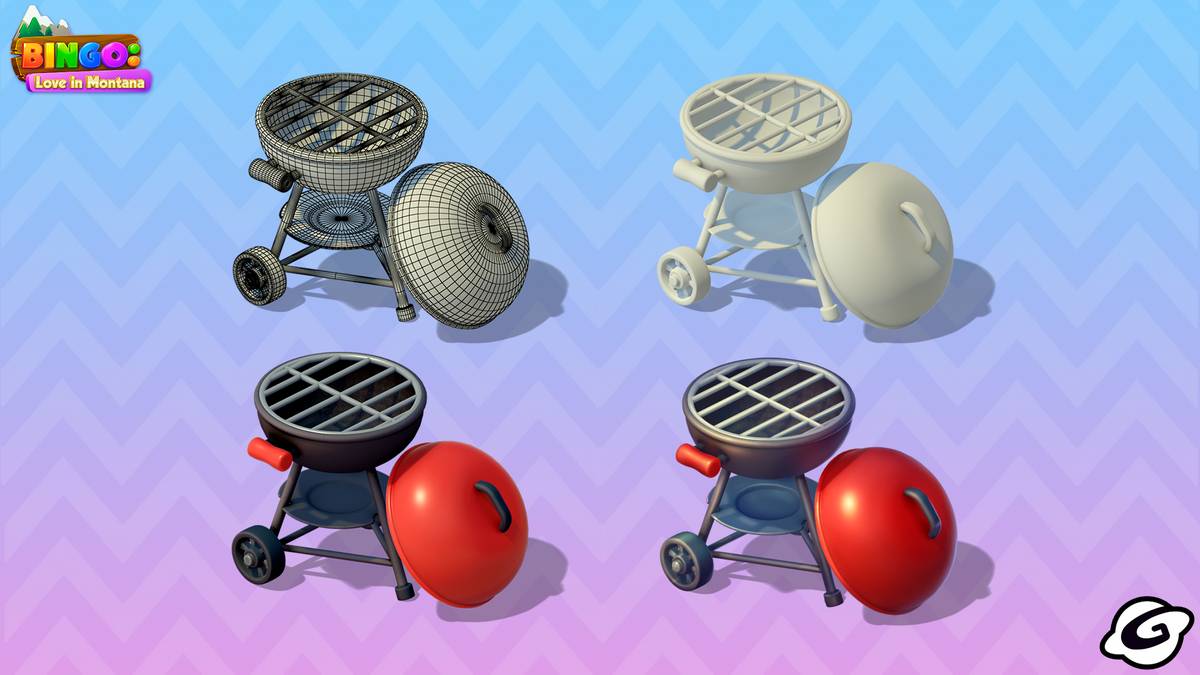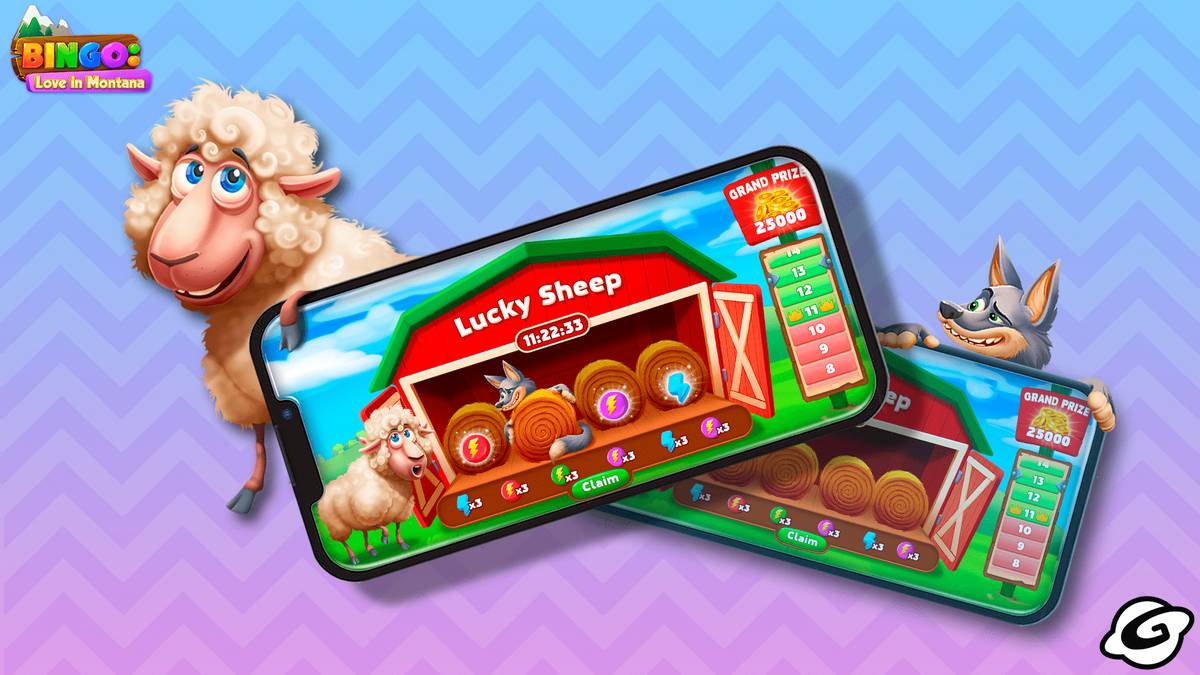
From concept to live operation, we build games with a governed AI pipeline that accelerates every production phase without creating technical debt.
AI Game Development Built on a Proven Production Foundation
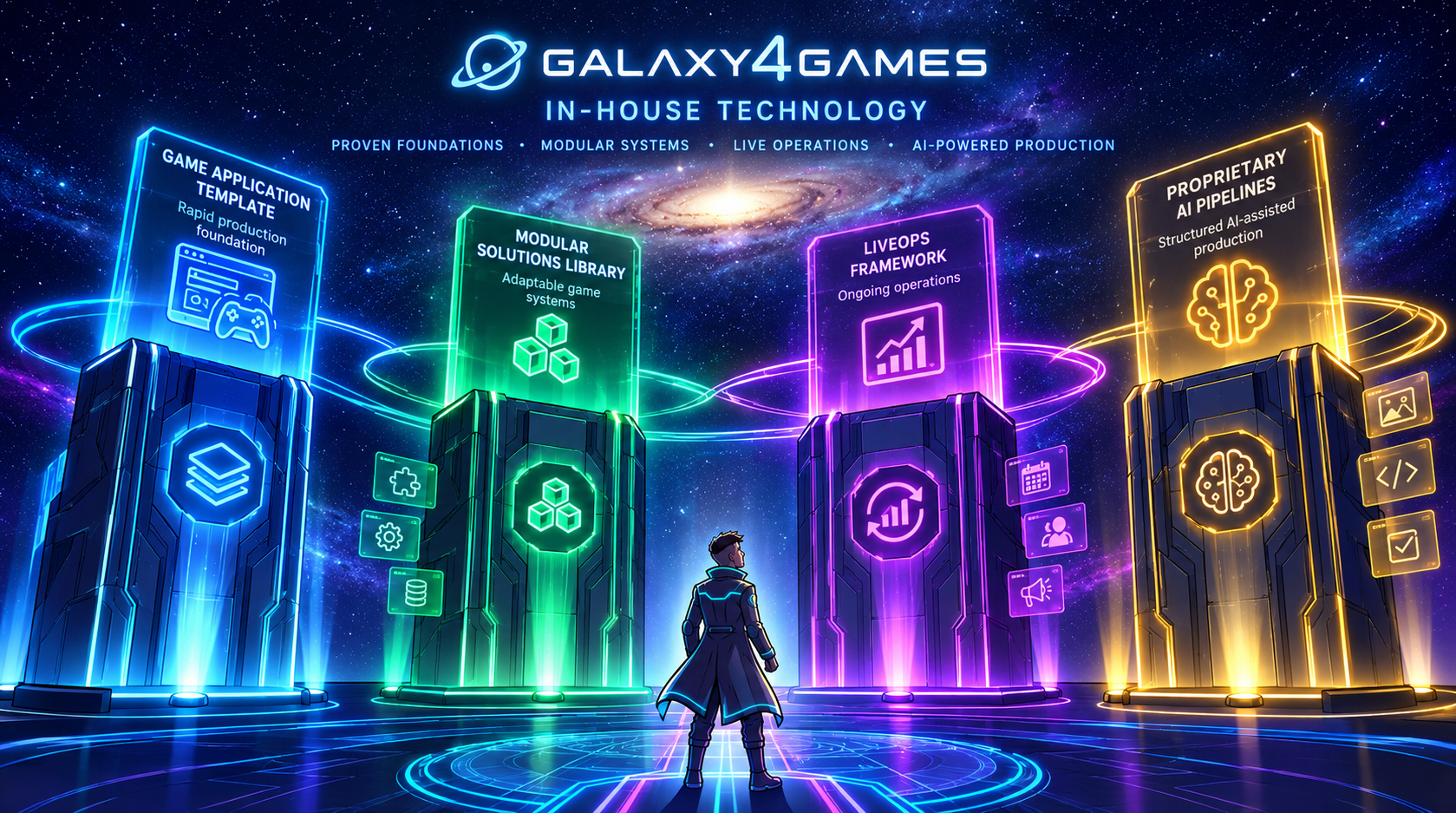
At Galaxy4Games, AI is not a tool layered on top of production. It is a governed participant in a multi-agent pipeline, operating within our proprietary Modular Solutions Library, Game Application Template, and LiveOps-ready architecture. Every AI agent works within established company standards, department rules, and the same modular library that governs every other part of production.
The result is AI that accelerates development across art, technical art, and engineering — without the redundant implementations, inconsistent assets, and architectural drift that unstructured AI use typically produces.
Whether you are building a mobile game, a Unity-based title, or an MVP that needs to reach market fast, the same governed production foundation applies.
AI Game Development — Investment Guide
Costs vary based on game genre, platform count, feature complexity, and how much of our production foundation applies to your project.
|
Project Type |
Market Timeline |
G4G AI Timeline |
Market Rate |
With G4G AI Pipeline |
|---|---|---|---|---|
|
Prototype / Proof of Concept |
2–4 weeks |
1–2 weeks |
$15,000 – $40,000 |
$7,000 – $18,000 |
|
MVP (core loop + basic meta) |
2–4 months |
2–4 weeks |
$40,000 – $120,000 |
$20,000 – $30,000 |
|
Full Casual / Hybrid Casual Game |
4–8 months |
2–4 months |
$120,000 – $300,000 |
$30,000 – $95,000 |
|
Mid-Core / RPG Title |
6–12 months |
4–8 months |
$200,000 – $500,000 |
$180,000 – $450,000 |
Save 30–50% through our Modular Solutions Library, Game Application Template, and LiveOps Framework, with AI agents accelerating production across every phase. Actual savings depend on scope.
Real client result: Full casual game, market rate $120,000 — delivered for $34,000. Same quality, same scope, built on a proven production-ready foundation with AI-assisted content production throughout.
How the Proprietary AI Pipeline Works
Most studios that claim AI-assisted development mean a developer uses a code assistant, reviews the output, and moves on. That is useful at the individual level. At scale, it creates technical debt: redundant implementations, inconsistent assets, architecture that drifts further from the original design with every AI-generated addition.
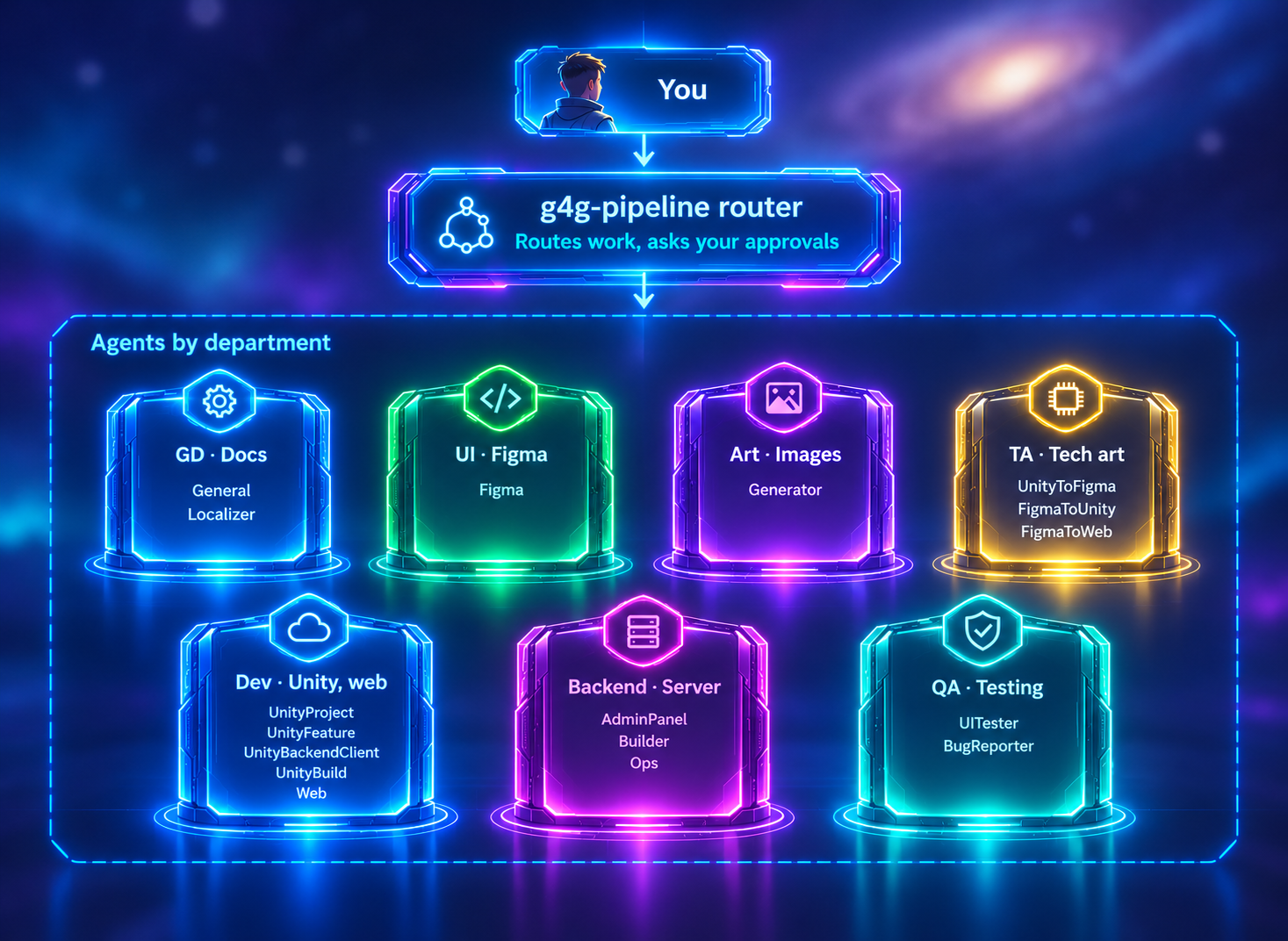
The Galaxy4Games Proprietary AI Pipelines solve this at the system level. Specialized agents cover every department in the production pipeline, from Game Design through Development. Each agent operates within the established standards, tools, and requirements of its department — and within the same modular library that governs every other part of production. None of them improvise.
The Three Agent Types
|
Agent Type |
Tools and Environment |
Primary Role |
|---|---|---|
|
Art Agents |
Figma, visual standards library |
Generate and iterate on assets within established visual guidelines |
|
Technical Art Agents |
Figma handoff specs, anchor and constraint rules |
Manage the UI-to-development bridge; ensure assets meet integration requirements |
|
Development Agents |
Modular Solutions Library, Game Application Template |
Implement features using existing modules; prevent redundant builds |
How Development Agents Prevent Technical Debt
When a Development agent needs to reuse functionality from another project, it follows a defined four-step process:
-
Prepare documentation for the functionality being reused
-
Align UI and art requirements with the Technical Art agent
-
Copy from the existing modular system, not from scratch
-
Adapt to the new project context while preserving architectural consistency
This is what prevents the redundant builds and integration conflicts that accumulate when AI is used without governance. A feature that exists in one project can be brought into another cleanly, because the agent works within the library rather than around it.
What makes it proprietary: The models inside the system are not unusual. What is proprietary is the operational architecture built around them — the company standards, department rules, tool configurations, and modular library integrations that each agent works within.
Why the Foundation Matters: What Competitors Cannot Replicate
Any studio can add AI tools to its workflow. A code assistant here, an image generator there. What cannot be added quickly is the foundation those tools run on.
Galaxy4Games' AI Pipelines are not tested in isolation. They are tested continuously, in production, on live titles that Galaxy4Games builds and operates itself on the App Store and Google Play. Every agent, every workflow, every module integration is validated against the same real-world conditions your game will face after launch.
The Foundation Competitors Cannot Copy Overnight
The three systems that govern every AI agent at Galaxy4Games took years to build and are still being refined through active live operation:
-
Modular Solutions Library — A catalogue of production-proven game features deployed in live titles and refined based on real performance data. AI Development agents work within this library. When a feature already exists, the agent integrates it rather than reinventing it. The library grows more capable with every project and every live update cycle.
-
Game Application Template — A production-ready project structure with core architecture, platform integrations, analytics, monetization hooks, and UI framework already built and tested. AI agents operate on top of this structure from day one, which means AI-generated additions fit cleanly into the architecture rather than around it.
-
LiveOps Framework — An internal architecture that embeds remote configuration, event infrastructure, and analytics wiring into every project from the start. Galaxy4Games operates live titles using this framework right now. The AI Pipelines extend it post-launch, supporting ongoing content production for events, offer refreshes, and seasonal updates.
What This Means When Compared to Other Studios
Most studios offering "AI-assisted development" are running AI tools on top of a blank slate. Each project starts from scratch, which means each AI-generated output also starts from scratch. There is no library for the agent to draw from, no template to constrain its architecture, no live operational experience informing the standards it works within.
The practical consequence: AI without a foundation produces output that is fast to generate and slow to integrate. It requires manual review, architectural cleanup, and ongoing correction to stay consistent with the rest of the project. The speed gains are real at the individual task level. The technical debt accumulates at the system level.
Studios that do not publish and operate their own games face a second limitation: they have never had to live with the consequences of their architectural decisions. They do not know what a poorly structured LiveOps system costs to fix six months after launch, because they have never had to fix one. Galaxy4Games has. That experience is encoded directly into the production foundation, and into the standards every AI agent works within.
The result is not just faster development. It is AI output that is already proven, already integrated, and already operating in a live market — before it ever touches your project.
The Production Foundation the AI Sits On Top Of
The AI Pipelines do not operate in isolation. They sit on top of a three-component production foundation that governs every Galaxy4Games project. Understanding this foundation is what makes the AI system's behavior comprehensible: the agents are not doing something novel. They are doing what every other part of the production process does — working within a proven, standardized system.
-
Modular Solutions Library — A growing catalogue of production-proven game features and mechanics, each deployed in live titles and refined based on real performance data. The library spans core gameplay mechanics (Match-3, Solitaire, RPG, PvP, Puzzle, Sorter, Board Games), monetization flows, progression and retention systems, UI/UX frameworks, and LiveOps and backend infrastructure. Development agents work within this library. When a project requires a feature that already exists, the agent integrates and adapts it rather than reinventing it. The library grows more capable with every project.
-
Game Application Template — A production-ready casual game application structure with core architecture, platform integrations, analytics scaffolding, monetization hooks, and UI framework already built and tested. Projects starting from the template skip four to six weeks of foundational setup. Every AI agent operates on top of this structure, which means AI-generated additions fit cleanly into the architecture from day one. This is the starting point for most mobile game development and Unity game development projects.
-
LiveOps Framework — An internal architecture that embeds remote configuration, event infrastructure, analytics wiring, and scalability design from day one. Games ship already capable of continuous updates, events, and content cycles without retrofitting. The AI Pipelines extend this framework post-launch, supporting ongoing content production for events, offer refreshes, and seasonal updates.
The compounding advantage: Each project adds to the agents' understanding of the library, the standards, and the edge cases already solved. The pipeline running project five is more capable than the one that ran project one.
AI Game Development Across the Full Production Lifecycle
AI Pipelines are not reserved for a single phase of development. Different agents contribute most heavily at different stages, but the system is active from pre-production through ongoing live operation.
|
Production Phase |
AI Pipeline Role |
|---|---|
|
Pre-production and design |
Game Design agents assist with documentation, balance frameworks, and design specifications |
|
Art production |
Art agents generate and iterate on assets within established visual standards in Figma |
|
Technical art and integration |
Technical Art agents handle the UI/art handoff, ensuring assets meet development requirements |
|
Feature development |
Development agents implement functionality using the Modular Solutions Library, avoiding redundant builds |
|
Content production |
AI accelerates level design, content population, and asset variation at scale |
|
QA and balance testing |
Agents support automated testing cycles and balance iteration |
|
LiveOps content cycles |
AI supports ongoing content production for events, offers, and seasonal updates post-launch |
Why LiveOps Is Where This Pays Off Most
LiveOps game operation requires continuous content production: new events, seasonal variations, offer refreshes, balance adjustments. This demand is ongoing and, in successful games, grows over time.
AI agents that are already embedded in the production pipeline, already understand the project's architecture, and already know the modular library can support this content cycle without the onboarding overhead of introducing a new tool or team. The same agents that built content during development can extend it in operation, working within the same standards.
The practical result: the operational cost of keeping a live game active and growing is lower when AI has been a governed participant in production from the start.
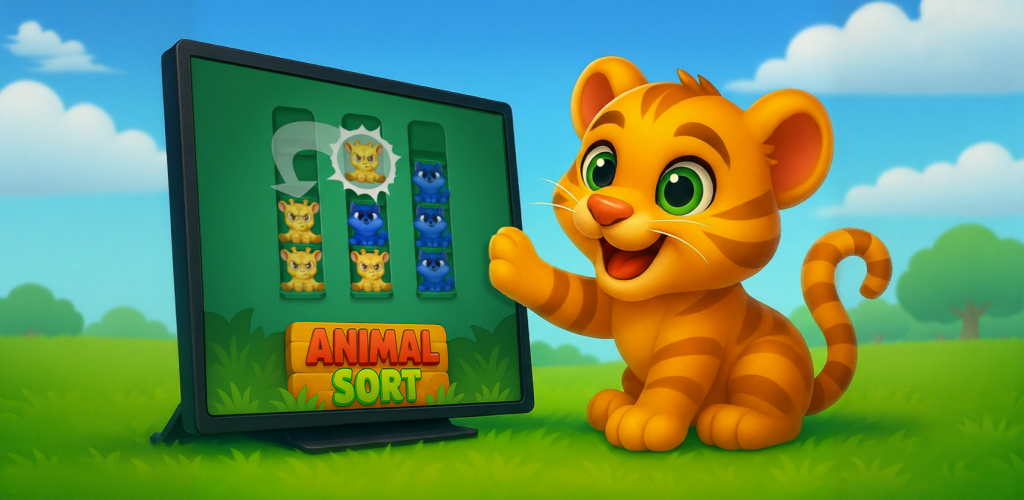
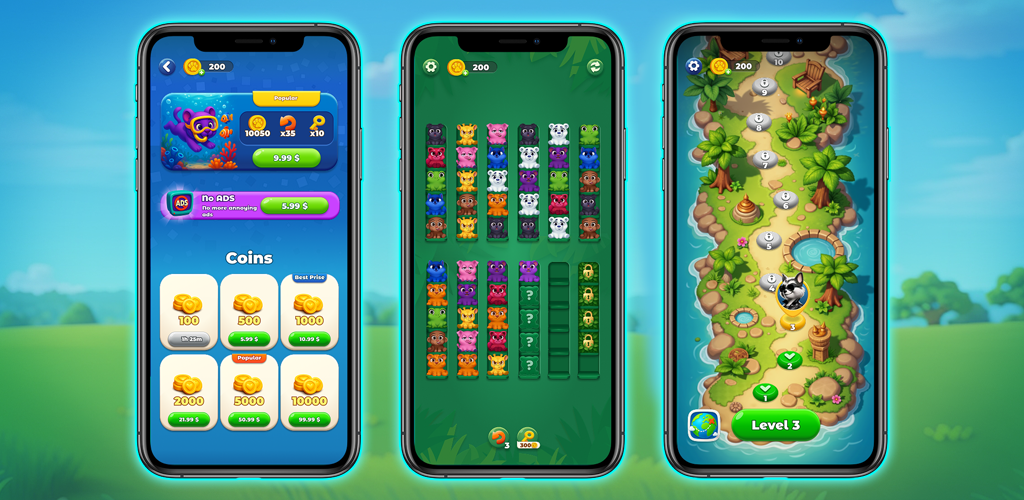
Galaxy4Games operates its own live titles, including Animal Sort! and a live Bingo title on the App Store and Google Play. The LiveOps decisions embedded in the framework reflect the real cost of getting it wrong — and the real benefit of getting it right.
AI-Accelerated Development by Project Type
The governed AI pipeline applies across every project type Galaxy4Games takes on. The specific advantages look different depending on where a project is starting from.
Mobile Game Development
Mobile game development on iOS and Android involves platform compliance, performance tuning, and store-specific requirements that consume significant early-project time when built from scratch. The Game Application Template eliminates that phase. AI agents then operate on top of a structure that is already platform-compliant, analytics-wired, and monetization-ready.
For mobile specifically, the AI-accelerated content production cycle matters at launch and beyond. Mobile players expect frequent content updates, seasonal events, and regular offer refreshes. AI agents that understand the project's architecture can support this cadence without a full engineering sprint for each content drop.
Key advantage for mobile: faster time to soft launch, with LiveOps infrastructure already in place and AI already embedded in the content production cycle.
Unity Game Development
Unity game development at Galaxy4Games runs on the same production foundation. The Modular Solutions Library is built in Unity. The Game Application Template is a production-ready Unity project structure. Development agents work within Unity conventions and within the library's established patterns, which means AI-generated Unity code is consistent with everything else in the project.
This matters particularly for Unity projects that involve complex feature sets or cross-project reuse. The Development agent's ability to bring functionality from one Unity project into another cleanly, without architectural drift, is a direct consequence of every project starting from the same governed foundation.
Key advantage for Unity: consistent architecture across features and projects, with AI reuse that does not require manual cleanup to maintain code quality.
MVP Game Development
MVP game development is where the combination of the Game Application Template and governed AI delivers the clearest speed advantage. An MVP needs to reach a playable, testable state as fast as possible, without creating a codebase that becomes a liability when the product scales.
Starting from the template and pulling relevant modules from the library means the MVP is built on production-grade architecture from day one. AI agents accelerate content production and feature implementation within that structure.
The distinction that matters for MVP projects: most fast MVPs are fast because they cut corners on architecture. The Galaxy4Games approach is fast because the architecture is already done — not because it was skipped.